


Essential Insurance Types for Protecting Your Rental Portfolio
Landlord Insurance: The Foundation of Rental Property Protection
Many new rental property owners make a critical mistake: assuming their standard homeowner’s insurance will cover their rental activities. This couldn’t be further from the truth.
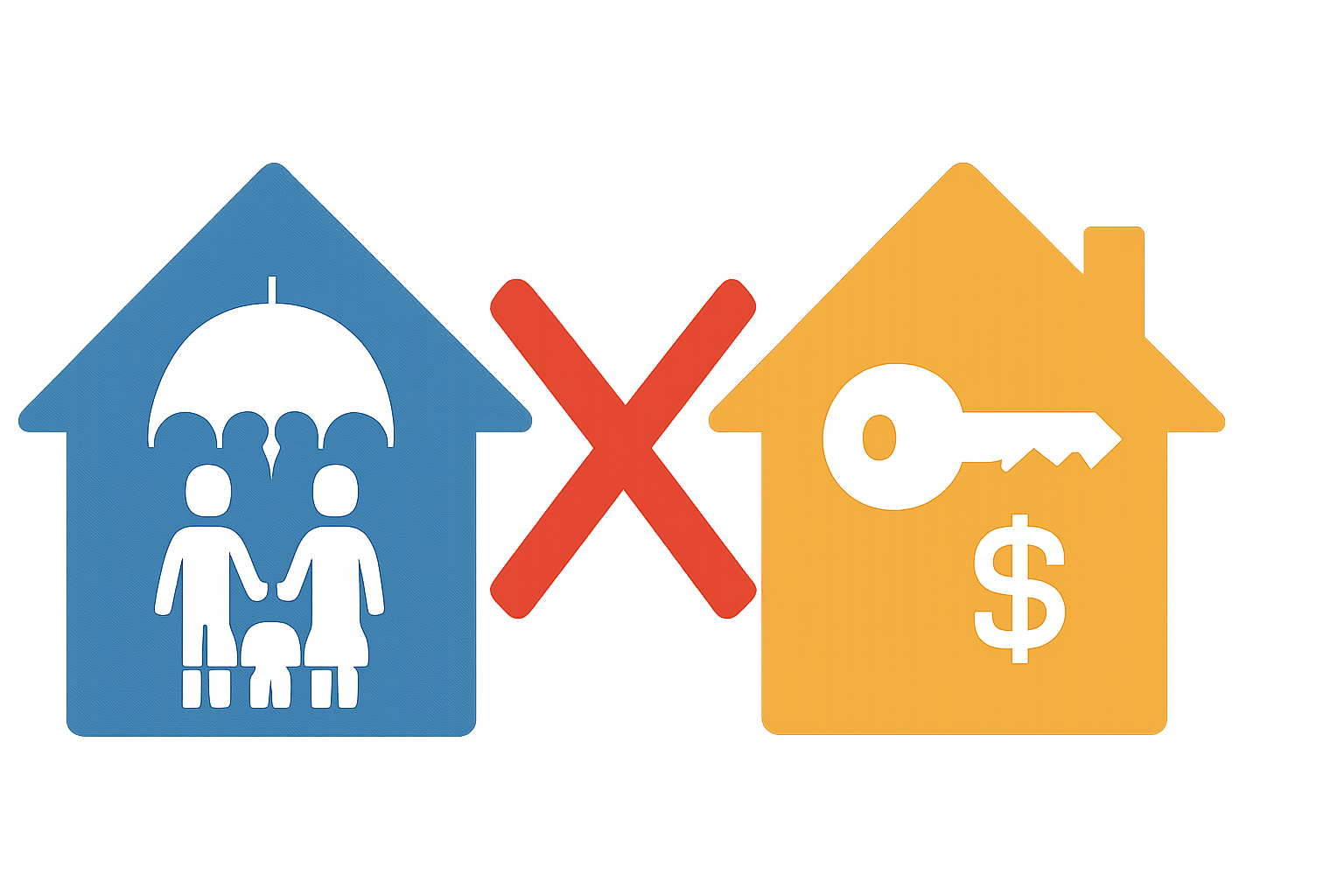
Homeowner’s insurance is specifically designed for owner-occupied properties and typically excludes rental scenarios. Landlord insurance (also called dwelling fire or DP policies) fills this crucial gap by providing specialized coverage tailored to non-owner occupied properties.
The primary difference? Homeowner’s policies cover your personal belongings, while landlord insurance focuses on the structure itself and any contents you own inside the rental (like appliances or furnished items). Additionally, landlord policies account for the unique risks that come with tenants occupying your property.
Property damage coverage under landlord policies protects the physical structure against perils like fire, lightning, wind, hail, and certain water damage. This protection is essential for preserving your real estate investments over the long term. Most policies will cover permanent fixtures, detached structures (like garages or sheds), and landlord-owned appliances – but not tenants’ personal belongings.
Perhaps the most valuable component is liability protection. If a tenant or visitor suffers an injury on your property and claims you’re at fault, landlord insurance provides both legal defense costs and potential settlement payments. Without this coverage, one lawsuit could wipe out years of rental income and threaten your path toward building generational wealth.
For investors focused on turnkey real estate, landlord insurance provides peace of mind that your hands-off investment remains protected even when you’re not personally monitoring the property. This is particularly important when your properties are managed by others or located in different regions.
Umbrella Liability Policies: Extended Protection for Your Growing Portfolio
As your rental portfolio grows, so does your liability exposure. This is where umbrella policies become essential.

These policies activate after your standard liability limits are exhausted, providing an additional layer of protection that can prevent catastrophic financial loss.
Umbrella policies typically offer coverage in $1 million increments. When calculating appropriate coverage, consider your portfolio’s total value, the number of properties you own, and their location (high-cost-of-living areas often see larger lawsuit settlements). A common recommendation is to secure umbrella coverage equal to at least your net worth.
The cost-benefit analysis strongly favors umbrella policies for multi-property owners. For roughly $300-600 annually, you can secure $1 million in additional coverage – pennies compared to the protection it provides across multiple investments. This efficiency increases with each property added to your portfolio.
Beyond extending your liability limits, umbrella policies typically include comprehensive legal defense coverage. This can be especially valuable for landlords facing complex or frivolous lawsuits, as legal fees can quickly mount regardless of whether you’re ultimately found liable.
Loss of Income/Rental Interruption Coverage
When disaster strikes a rental property, the physical damage is only part of the equation. The lost rental income during repairs can significantly impact your cash flow and potentially derail your real estate investments. Rental interruption coverage (sometimes called “fair rental value” or “loss of rents” coverage) addresses this vulnerability.
This coverage typically reimburses you for lost rental income when your property becomes uninhabitable due to a covered loss. Most policies have specific coverage periods, typically 12-24 months, which should align with realistic repair timeframes for major damage.
For investors building generational wealth through rental properties, maintaining consistent cash flow is crucial – especially when mortgages and other expenses continue regardless of whether rent is coming in. This coverage helps ensure temporary setbacks don’t become permanent financial obstacles.
To successfully claim this coverage, you’ll need to provide documentation of your standard rental income, usually through lease agreements and tax returns. Keep these records updated and accessible to expedite claims processing during already stressful situations.
Flood and Natural Disaster Insurance for Comprehensive Protection
Standard landlord policies contain a significant gap: flood damage. This exclusion catches many property owners by surprise when disaster strikes. The National Flood Insurance Program (NFIP) provides the most common flood coverage option, though private market alternatives are increasingly available and may offer higher coverage limits.
Natural disaster coverage needs vary dramatically by region. Coastal properties may require hurricane insurance, western properties often need wildfire protection, and midwestern investments might need tornado-specific coverage. These regional risks should factor into your investment decisions when building a geographically diverse portfolio.
Many investors don’t realize that standard policies also exclude earthquakes, sinkholes, and sometimes wind damage. These coverage gaps can leave your property – and the generational wealth you’re building through turnkey real estate – vulnerable to devastation without proper supplemental policies.
The additional premium costs for these specialized coverages should be viewed as essential expenses rather than optional add-ons. A single uninsured disaster can erase decades of appreciation and income from an otherwise sound investment property.