
Foundational Steps for Setting 2025 Real Estate Goals
Assess Your Current Financial Situation
Before diving into real estate investing in 2025, take a comprehensive look at where you stand financially. This critical first step prevents overextending yourself and helps identify realistic investment opportunities.
Start by calculating your net worth—list all assets (savings, investments, property) and subtract your liabilities (mortgages, loans, credit card debt). This snapshot reveals your true financial position and borrowing capacity.
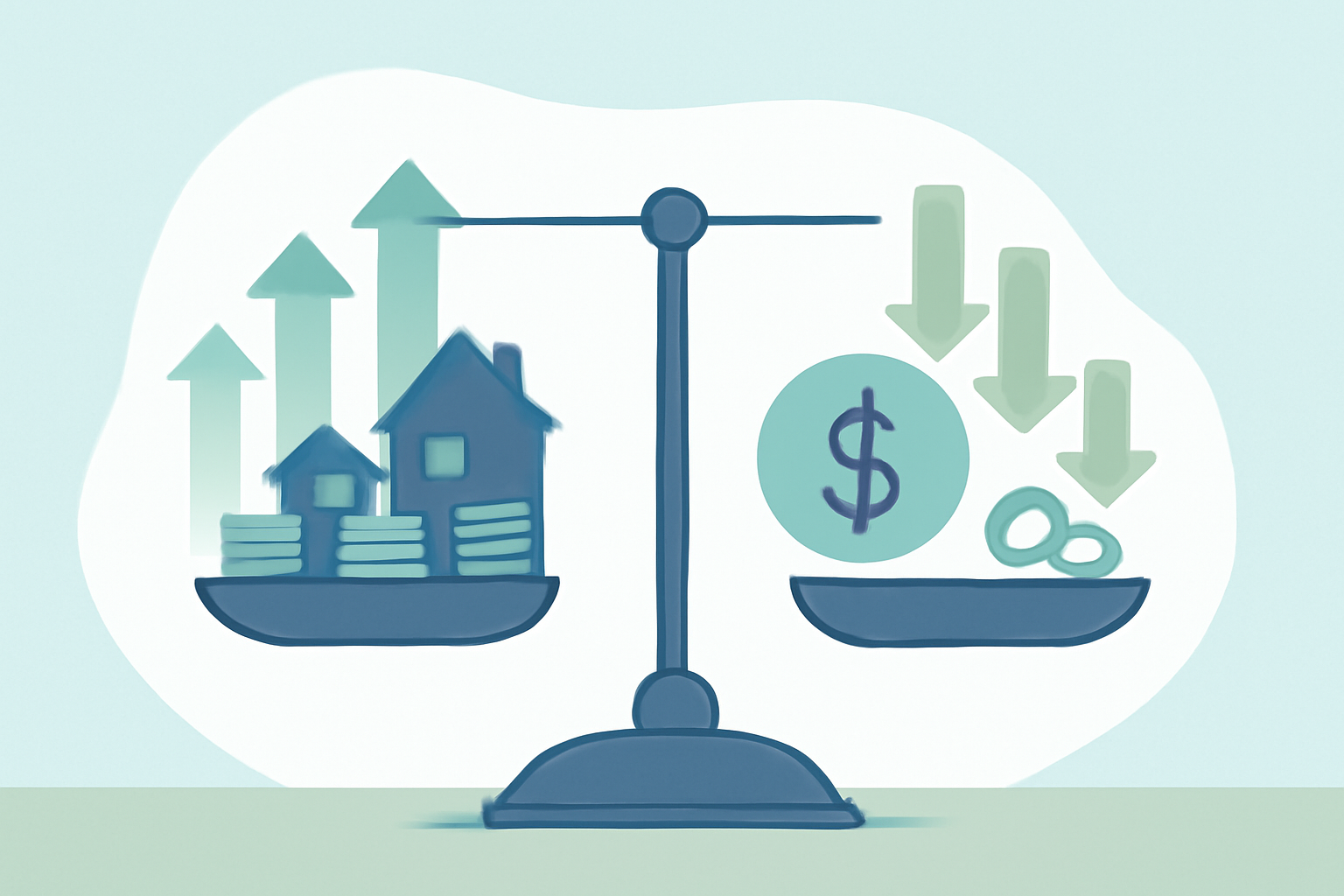
Next, analyze your monthly cash flow. Track income sources and expenses for at least three months to understand your spending patterns. This helps determine how much you can comfortably allocate toward real estate investments without compromising your lifestyle or emergency fund.
Examine your credit score and debt-to-income ratio, as these factors significantly impact your financing options. Lenders typically prefer a DTI below 43% for investment properties.
Most importantly, honestly assess how much capital you have available. Beyond your down payment, you’ll need reserves for closing costs, potential renovations, and unexpected expenses. Even with turnkey real estate properties—which require minimal improvements—you should maintain a healthy cash cushion of at least 6 months of expenses per property.
Consider your risk tolerance. Are you comfortable with potential market fluctuations? Could you handle a few months of vacancy? Your financial stability should match your investment strategy.
Define Your ‘Why’: Long-Term Vision
Real estate investing demands time, effort, and patience. Without a compelling reason driving your investment decisions, you’ll likely struggle when challenges arise.
Ask yourself: What do you want your life to look like in 5, 10, or 20 years? Are you seeking early retirement through rental income? Building a legacy for your children? Or creating wealth through appreciation and equity?
Your “why” shapes your strategy. If passive income is your goal, cash-flowing rental properties—particularly out of state investment properties in affordable markets—might be your focus. If wealth accumulation is your aim, properties with strong appreciation potential in emerging markets could be ideal.
Consider how real estate aligns with your personal values. Do you want to provide quality housing in underserved areas? Revitalize neighborhoods? Support sustainable living? Let these values guide property selection and management decisions.
Research Market Trends for 2025
The real estate landscape constantly evolves. To position yourself for success in 2025, stay informed about economic indicators and housing trends.
Monitor interest rate forecasts, as they directly impact borrowing costs and cap rates. Rising rates can cool markets but might also create buying opportunities as competition decreases.
Inflation projections matter too. Real estate historically serves as an inflation hedge, with rents and property values typically increasing alongside inflation.
Research emerging markets showing signs of growth—places with population increases, job growth, and infrastructure development. While primary markets offer stability, secondary and tertiary markets often provide better returns for investors willing to explore out of state investment properties.
Pay attention to demographic shifts.

Millennial homebuying patterns, baby boomer downsizing trends, and Gen Z rental preferences will influence demand in specific submarkets.
Study local data including:
- Median home prices and year-over-year changes
- Average days on market
- Rental vacancy rates
- Rent-to-price ratios
- Local regulations affecting landlords
This foundational research helps you identify markets where turnkey real estate investments align with your financial capacity and long-term vision.