
Laying the Foundation: Pre-Investment Essentials
Define Your Investment Goals and Parameters
Starting your real estate investment journey without clear goals is like building a house without blueprints. Before diving into the market, take time to establish exactly what you want to achieve.
Your ROI goals should reflect both immediate and future aspirations. Are you looking for quick cash flow through rental income, or focusing on long-term appreciation? Many successful investors aim for an annual ROI between 8-12% on residential properties, while others target specific dollar amounts based on their financial needs.
Your investment horizon directly impacts your strategy. Short-term investors (1-3 years) might focus on fix-and-flip properties in rapidly appreciating neighborhoods. Medium-term investors (3-10 years) often balance appreciation with steady rental income. Long-term investors (10+ years) can weather market fluctuations and benefit from greater property appreciation and mortgage paydown.
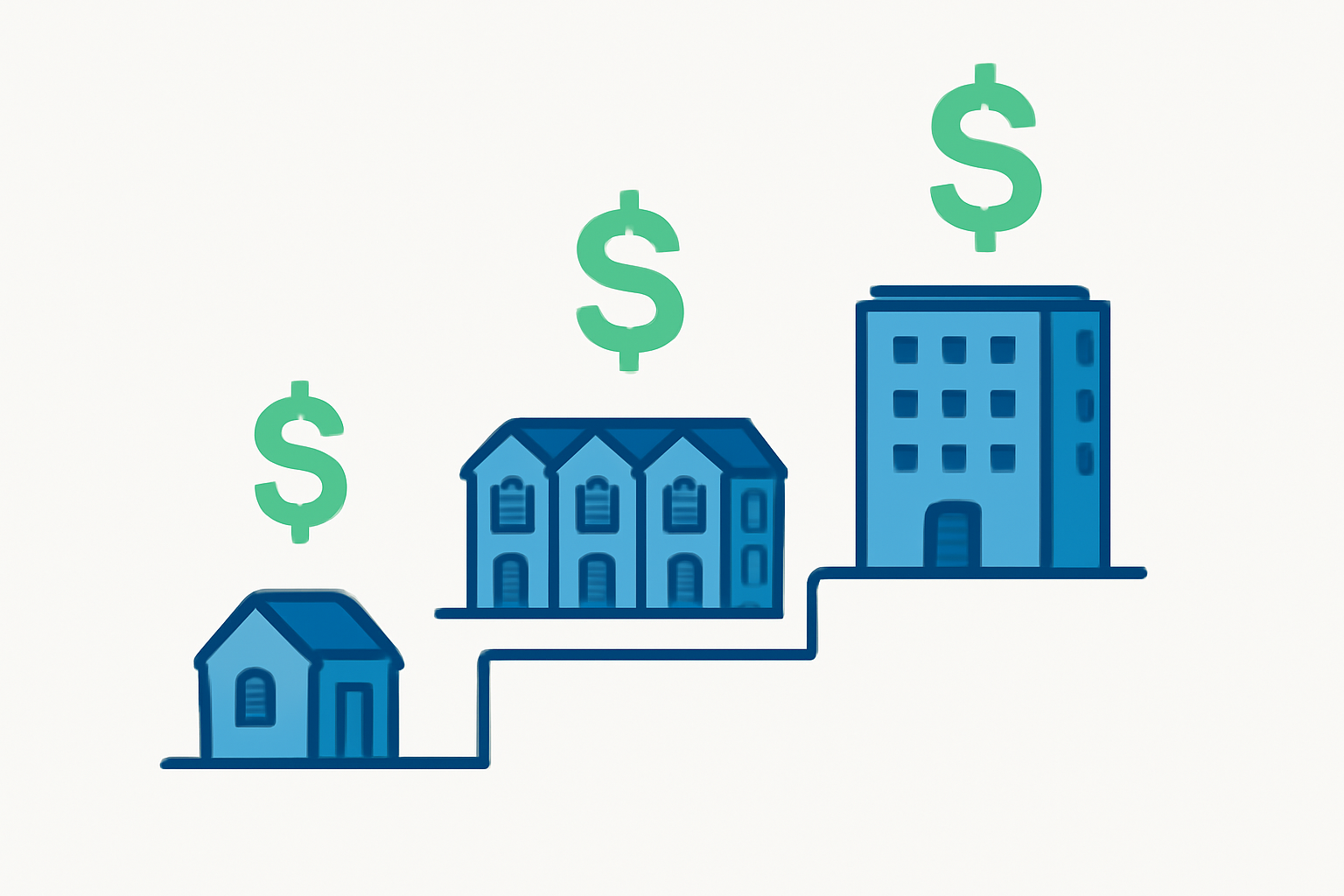
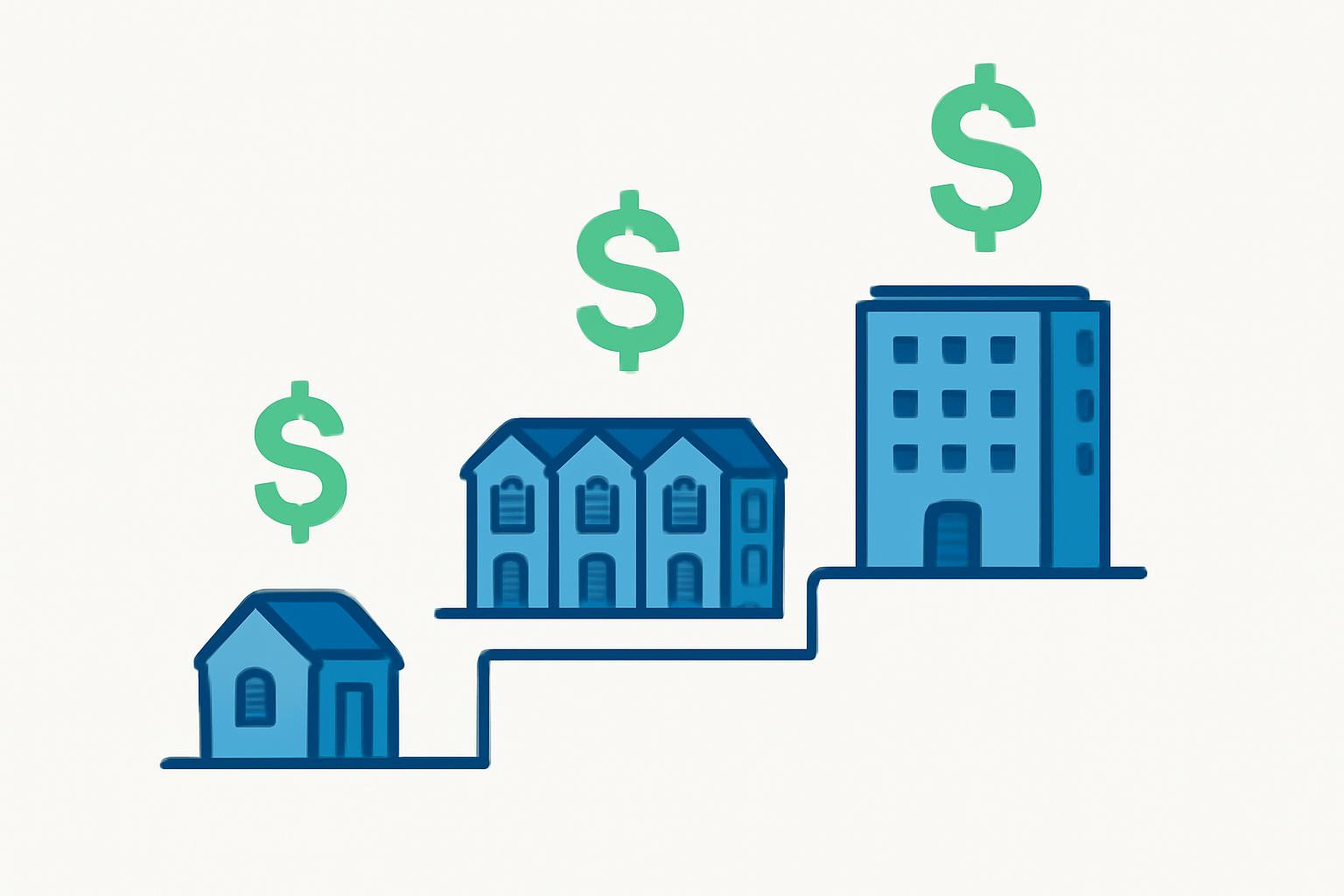
Budget constraints form the backbone of any investment plan. Small-scale investors with $10,000-$50,000 might consider REITs or partnership opportunities. Mid-range investors ($50,000-$200,000) can explore single-family homes or small multi-unit properties in emerging markets. Large-scale investors ($200,000+) have the luxury of pursuing commercial properties or larger multi-family complexes.
The solo vs. partnership decision carries significant weight. Going solo gives you complete control but limits your buying power and diversification options. Partnerships expand your investment capacity but require clear operating agreements to address profit sharing, decision-making authority, and exit strategies.
Finally, consider your desired involvement level. Acting as a sponsor means actively overseeing property acquisition, management, and eventual disposition. Limited partners take a hands-off approach, providing capital while leaving day-to-day operations to others.
Market Analysis and Location Strategy
Location remains the golden rule of real estate. Today’s savvy investor examines micro-markets rather than just broad geographic regions.
Begin by studying current market indicators: inventory levels, days on market, price-to-rent ratios, and foreclosure rates. Job growth, population trends, and local economic development projects provide crucial context. Remember that national trends may not reflect your specific target market.
The ideal location balances affordability with growth potential. Look for areas with infrastructure improvements, commercial development, and improved school ratings – all early indicators of appreciation. Cities with diverse employment sectors typically offer more stability than those dependent on single industries.

Property appreciation varies dramatically by location. Research historical appreciation rates in potential neighborhoods and identify factors that could drive future growth. Rental income potential deserves equal scrutiny – analyze vacancy rates, average rents, and seasonal fluctuations if targeting vacation destinations.
Your property type should align with local demand patterns. Single-family homes remain popular in suburban areas with good schools. Multi-family buildings thrive near universities or urban centers. Commercial spaces perform best in areas with strong business growth, while healthcare facilities require proximity to hospitals and aging populations.
Financial Planning and Expense Calculation
Successful real estate investing demands meticulous financial planning and realistic expense projections.