
Post-Pandemic Shifts in Rental Demand Patterns Part 2 of What we may see in 2026
Remote work drives suburban and rural rental growth
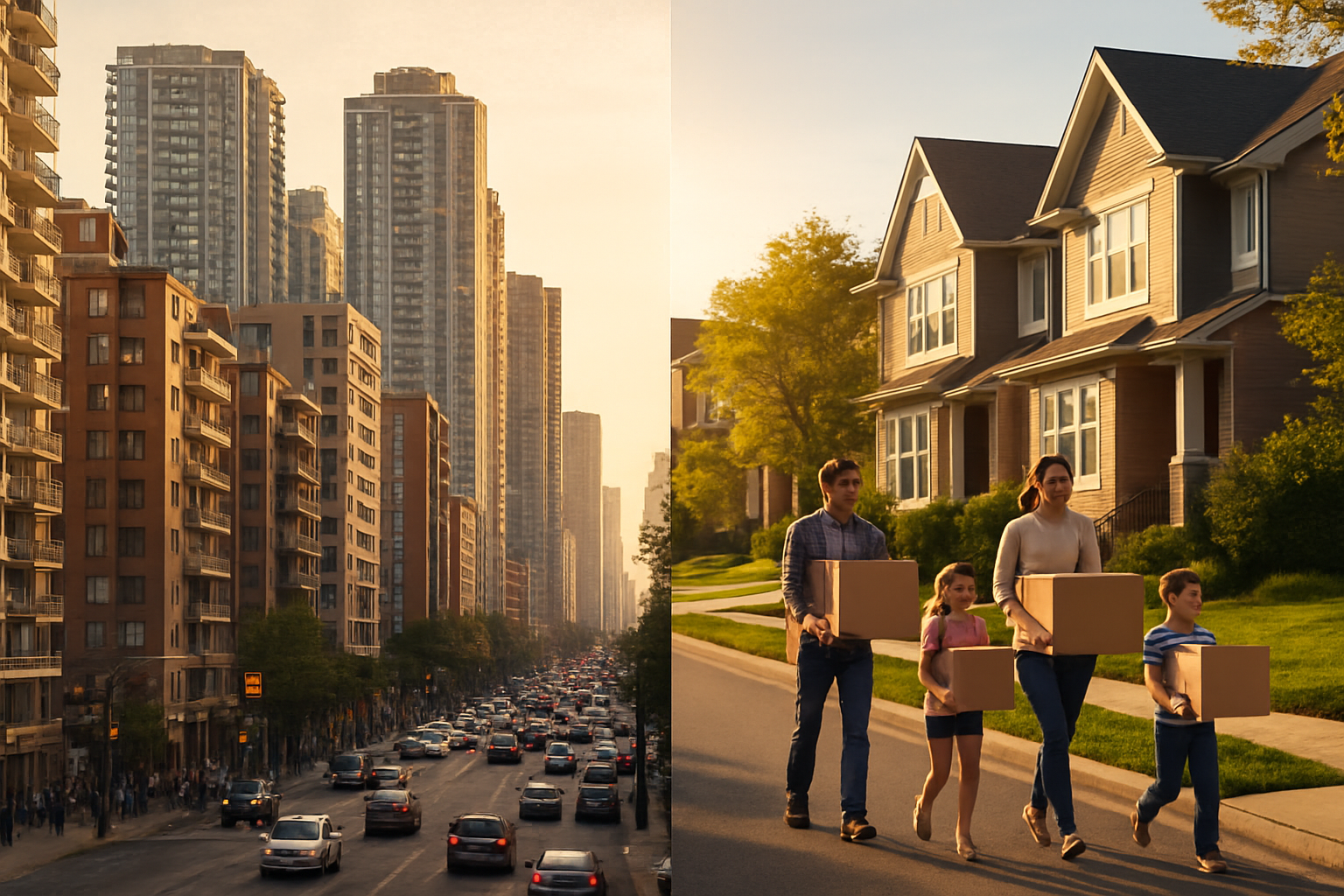
The pandemic fundamentally changed where people want to live, and by 2026, this shift has become the new normal. Remote work arrangements have given renters unprecedented freedom to choose locations based on lifestyle rather than commute times. Suburban markets that were once considered “sleepy” are now experiencing rental demand surges of 25-40% compared to pre-2020 levels.
Small towns within 2-3 hours of major metropolitan areas are seeing the biggest transformation. Places like Hudson Valley in New York, areas outside Austin like Dripping Springs, and mountain communities in Colorado are attracting renters who previously lived in city centers. These tenants typically earn urban salaries but want more space, outdoor access, and community feel.
Rental properties in these markets are commanding premium prices despite lower cost of living. A three-bedroom house that might have rented for $1,800 in 2019 now fetches $2,800-$3,200. Property investors are scrambling to acquire single-family homes and convert larger properties into high-end rental units.
The trend extends beyond traditional suburban areas. Rural markets with reliable internet infrastructure are becoming viable rental destinations for the first time. Fiber optic availability has become as important as school districts when evaluating rental market potential.
Urban apartment downsizing continues as lifestyle priorities change
City living looks dramatically different in 2026. The “bigger is better” mentality that drove urban rental markets for decades has flipped entirely. Renters are actively seeking smaller, more efficient spaces that prioritize quality over quantity.
Studio and one-bedroom apartments now outpace larger units in both occupancy rates and rent-per-square-foot metrics. Tenants want premium amenities like rooftop gardens, co-working spaces, and wellness facilities rather than extra bedrooms they rarely use. Buildings with 400-500 square foot units that include smart storage solutions and convertible furniture are seeing waiting lists.
This downsizing trend has created opportunities for micro-living developments and pod-style housing. Cities like San Francisco and New York have relaxed minimum square footage requirements, allowing developers to create ultra-efficient units targeting young professionals and remote workers who spend minimal time indoors.
The financial motivation is clear. Renters can live in prime urban locations for $2,000-$2,500 monthly instead of $4,000+ for traditional one-bedrooms. They’re using the savings for travel, experiences, and investments rather than paying for space they don’t need.
Co-living spaces adapt to new health and safety standards
Co-living has evolved from a budget housing solution into a premium lifestyle choice with health and safety at its core. By 2026, successful co-living operators have implemented medical-grade air filtration systems, contactless entry protocols, and flexible space configurations that can adapt to health concerns.
Modern co-living spaces feature private bedroom suites with en-suite bathrooms, eliminating shared sleeping and bathing areas that made early models feel cramped. Common areas now include outdoor terraces, multiple kitchen zones to prevent crowding, and wellness rooms for yoga or meditation. Some facilities offer on-site health monitoring and telemedicine services.
The new co-living model attracts professionals aged 25-40 who want community without compromising privacy or health safety. Monthly rates range from $1,800-$3,500, depending on location and amenities, comparable to traditional apartment living but with built-in social networks and flexible lease terms.
Operators are also targeting specific demographics like traveling nurses, digital nomads, and graduate students. These specialized communities offer tailored amenities and programming while maintaining the core co-living benefits of affordability and flexibility that originally made the concept attractive.