
Reflecting on This Year’s Real Estate Market for Generational Wealth Building
Market Performance Analysis: Winners and Losers in This Year’s Property Sectors
The landscape of real estate has shown remarkable contrast this year, creating both challenges and opportunities for those focused on building generational wealth. Residential properties, particularly in suburban and certain second-tier cities, have maintained surprising resilience despite economic headwinds. Single-family homes in areas with strong job growth saw appreciation rates of 5-7%, outperforming many other investment vehicles.
Meanwhile, commercial real estate has experienced a bifurcated market. Office spaces continued their post-pandemic struggle with vacancy rates climbing above 17% in major metropolitan areas. However, industrial properties and warehousing facilities emerged as standout performers, delivering returns between 8-12% for savvy investors, largely driven by e-commerce’s continued expansion.
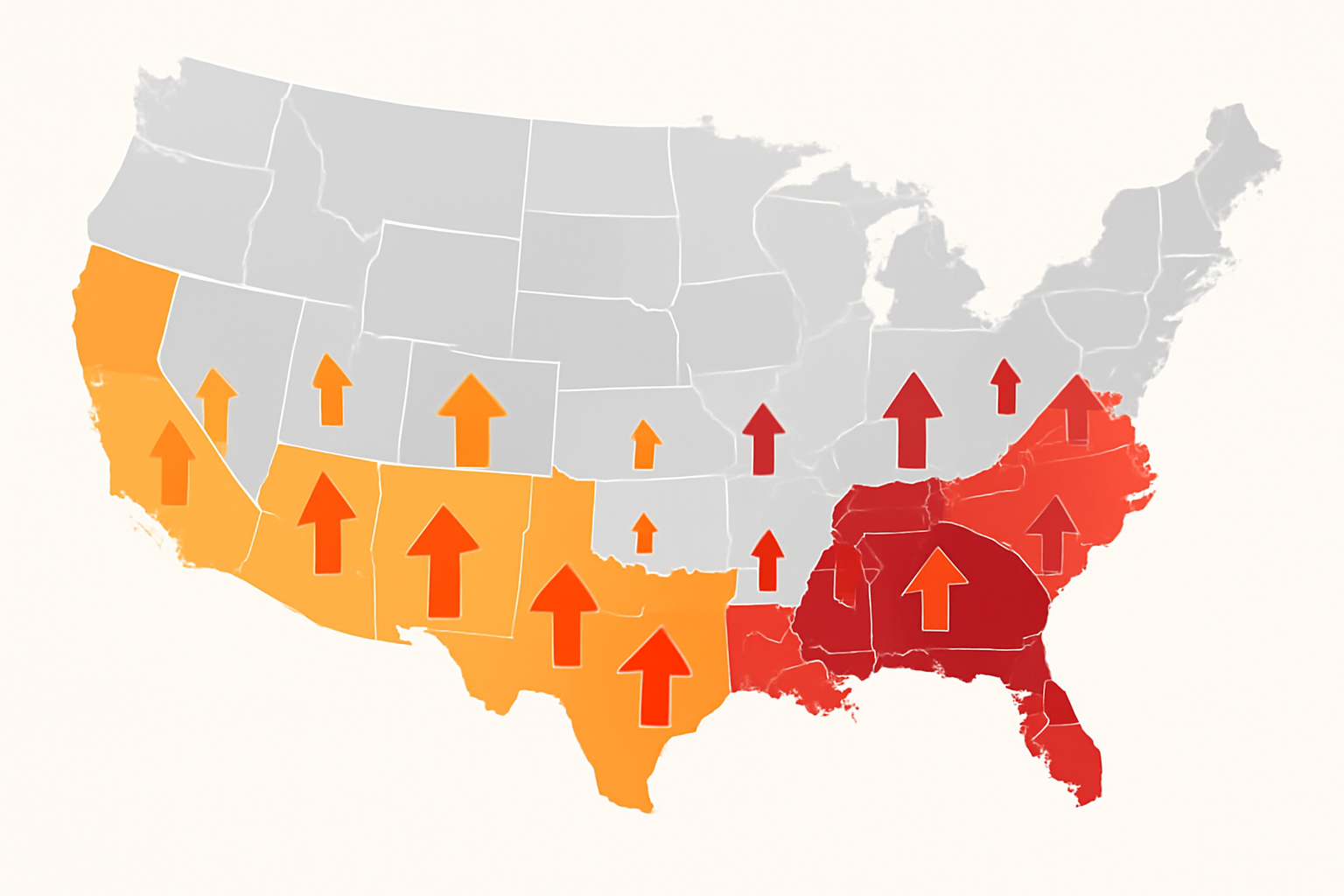
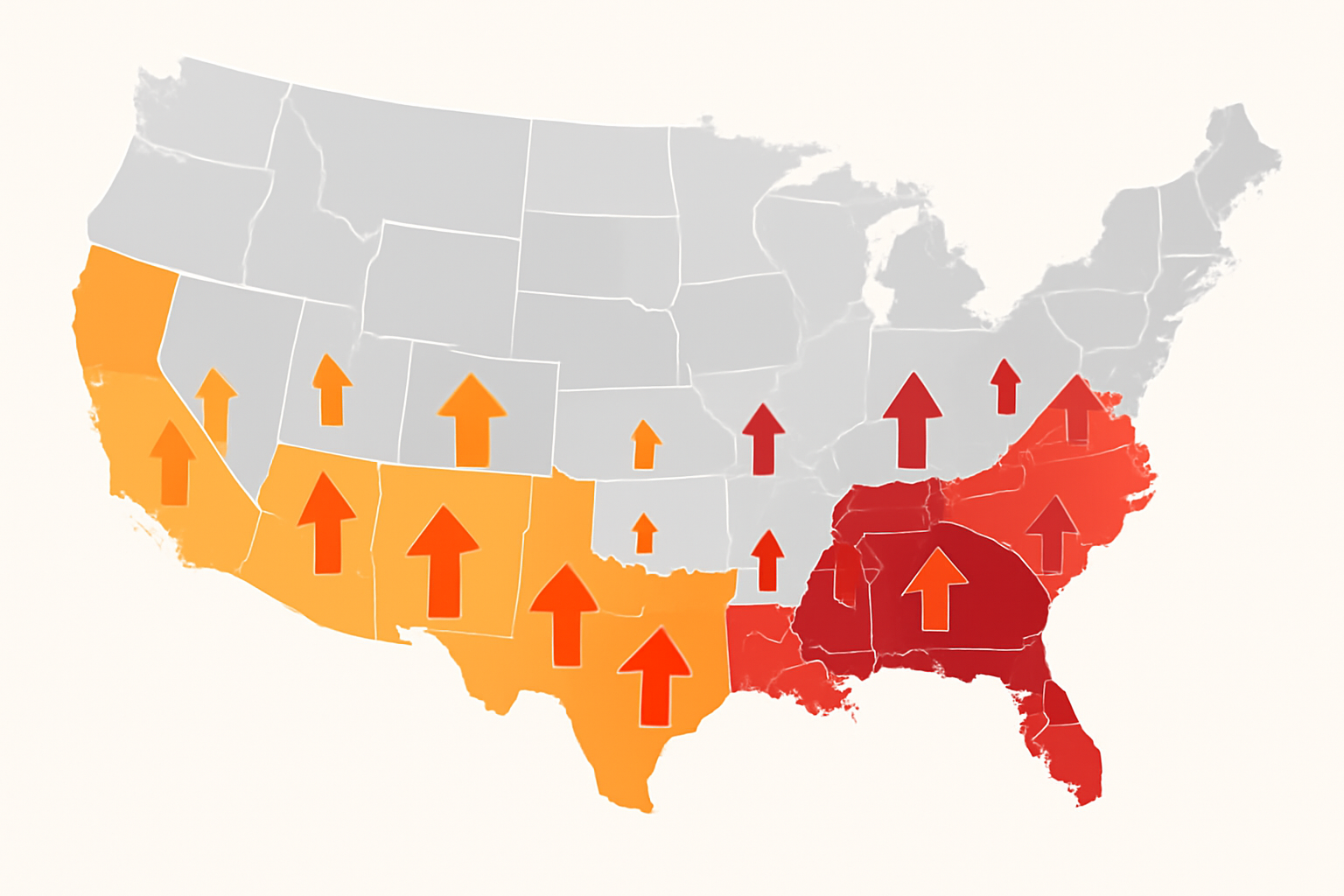
Regional analysis reveals the Southwest and Southeast markets leading the pack, with states like Texas, Florida, and North Carolina showing population influx and corresponding property value increases.
The emergence of Opportunity Zones in previously overlooked areas has created fascinating entry points for multi-generational investing strategies, offering significant tax advantages for long-term holders.
Market volatility, rather than being a deterrent, has carved out new pathways for wealth accumulation. Price corrections in previously overheated markets have created buying opportunities unseen in years. Families positioning themselves for generational transfers have leveraged these temporary downturns to acquire properties at 10-15% below peak values in areas with strong long-term growth fundamentals.
Turnkey Real Estate Performance: The Passive Path to Wealth Creation
Turnkey real estate investments have increasingly captured the attention of wealth-builders seeking efficiency and scalability. This year’s performance metrics show turnkey properties delivering average cash-on-cash returns of 6-8%, compared to 4-6% for traditional buy-and-renovate approaches when accounting for time investment and renovation risk.
Consider the case of the Martinez family, who built a portfolio of 12 turnkey properties across three Midwestern states over seven years.

Their systematic approach to acquiring cash-flowing assets has created a projected $4.3 million in multi-generational wealth over a 30-year horizon, with substantially less active management than traditional approaches would require.
Key lessons from this year’s turnkey market include the critical importance of property management team selection, the value of markets with landlord-friendly legislation, and the need for rigorous due diligence on rehab quality. Several investors learned expensive lessons when cutting corners on property inspections, underlining that “passive” never means “hands-off” when building lasting wealth.
Critical Shifts in Financing: How Interest Rates Impacted Long-Term Real Estate Strategy
This year’s dramatic interest rate environment has forced a strategic rethinking for real estate investments aimed at generational wealth transfer. With rates significantly higher than previous years, buy-and-hold investors have pivoted toward value-add opportunities where forced appreciation can offset higher carrying costs.
Creative financing solutions gained prominence as traditional paths became more expensive. Seller financing re-emerged as a viable strategy, with approximately 15% of investment transactions involving some form of owner financing. Additionally, private lending pools formed among family offices looking to keep wealth within a controlled ecosystem while generating returns.
Debt restructuring became a critical focus for existing portfolios. Forward-thinking investors implemented strategic refinancing of performing assets before rate hikes, locking in long-term fixed rates on properties intended for generational transfer. This approach created inheritable assets with predictable cash flows that remain unaffected by current market fluctuations.
Year-End Tax Planning Opportunities Unique to 2023
As December approaches, several time-sensitive tax strategies demand attention. Cost segregation studies completed before year-end can accelerate depreciation, potentially creating significant paper losses that offset other income while the underlying asset continues appreciating for future generations.
The 1031 exchange remains the cornerstone of wealth preservation in real estate, allowing families to defer capital gains taxes while upgrading their portfolio. The key insight for 2023 is combining exchanges with strategic entity structuring that facilitates smoother eventual transfer to heirs.
Estate planning considerations have taken center stage as families recognize real estate’s unique advantages in wealth transfer. Implementing qualified personal residence trusts (QPRTs) and installment sales to intentionally defective grantor trusts (IDGTs) before year-end can lock in current valuation advantages, potentially saving heirs significant estate tax exposure while keeping valuable properties within the family for generations.