The 2023 Real Estate Landscape: A Challenging Environment for Investors
Navigating Rising Interest Rates
The real estate market in 2023 presented investors with unprecedented challenges, chief among them being the dramatic rise in interest rates. As the Federal Reserve continued its aggressive inflation-fighting stance, mortgage rates climbed to levels not seen in over two decades. By October 2023, rates peaked at a staggering 7.8%, creating a fundamental shift in the investment landscape.
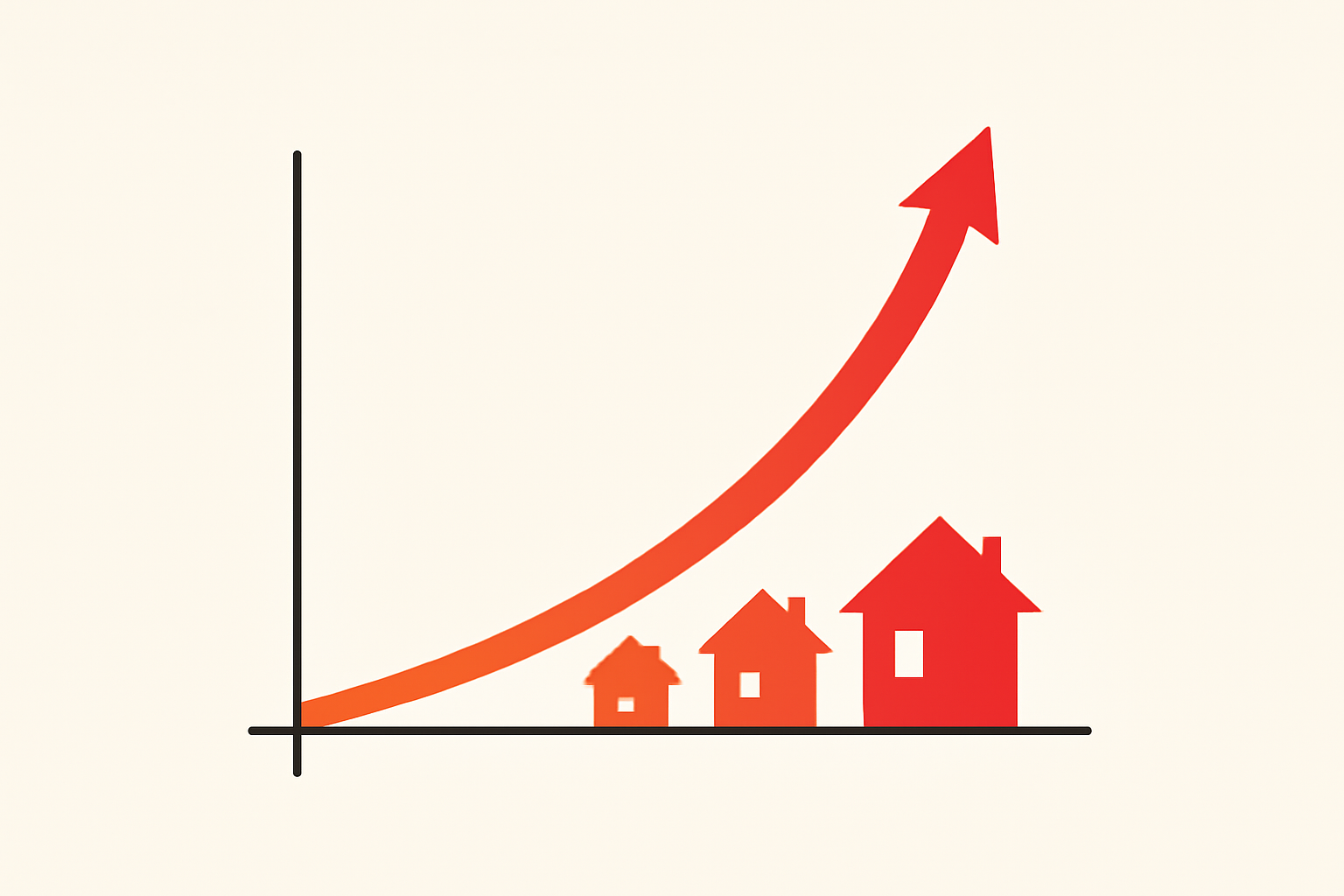
This rate environment drastically increased borrowing costs, making financing real estate investments substantially more expensive. Investors who relied on leverage to build their portfolios faced significantly higher monthly payments, directly impacting cash flow calculations and return on investment projections. For those focused on building generational wealth through real estate investments, these higher costs demanded careful recalibration of long-term strategies.
Market activity noticeably slowed as a direct response to these elevated rates. Many potential buyers—both investors and owner-occupants—found themselves priced out of the market or unwilling to lock in historically high rates. This hesitation created a notably cooler market compared to the frenetic pace of 2021 and early 2022.
The mid-year stabilization of interest rates brought a welcome reprieve. As rates stopped their upward climb, some investors cautiously re-entered the market, particularly those with access to creative financing or substantial cash reserves. By the end of 2023, mortgage rates had declined from their October peak to around 6%—still high by recent standards but representing a significant improvement that sparked renewed investor interest.
For turnkey real estate investors especially, this rate decrease from 7.8% to 6% wasn’t merely cosmetic—it represented a fundamental improvement in potential returns and feasibility of new acquisitions.
The Persistent Issue of Low Inventory
Running parallel to the interest rate challenge was the ongoing problem of severely limited housing inventory. Throughout 2023, the supply of available homes remained well below historical norms and even below pre-pandemic levels, creating intense competition for quality properties.
This inventory shortage played a major role in keeping prices elevated despite higher interest rates. In many markets, particularly those attractive for real estate investments targeting long-term growth, the scarcity of listings forced investors to be exceptionally strategic with their acquisitions.
A particularly challenging dynamic emerged as existing homeowners with low mortgage rates (often below 3%) became increasingly reluctant to sell. This “rate lock” effect further constrained supply, as homeowners calculated that selling would mean giving up their advantageous financing and purchasing at significantly higher rates.
For investors seeking turnkey real estate opportunities, this environment required greater patience, faster decision-making when opportunities arose, and often looking beyond traditional markets into secondary and tertiary locations with more favorable supply-demand dynamics.
Investor Activity Trends in 2023
In response to these challenging conditions, investor participation in the housing market contracted dramatically. Data shows investor home purchases plummeted by 45% year-over-year in Q2 2023—a decrease that outpaced the overall market decline of 31%.
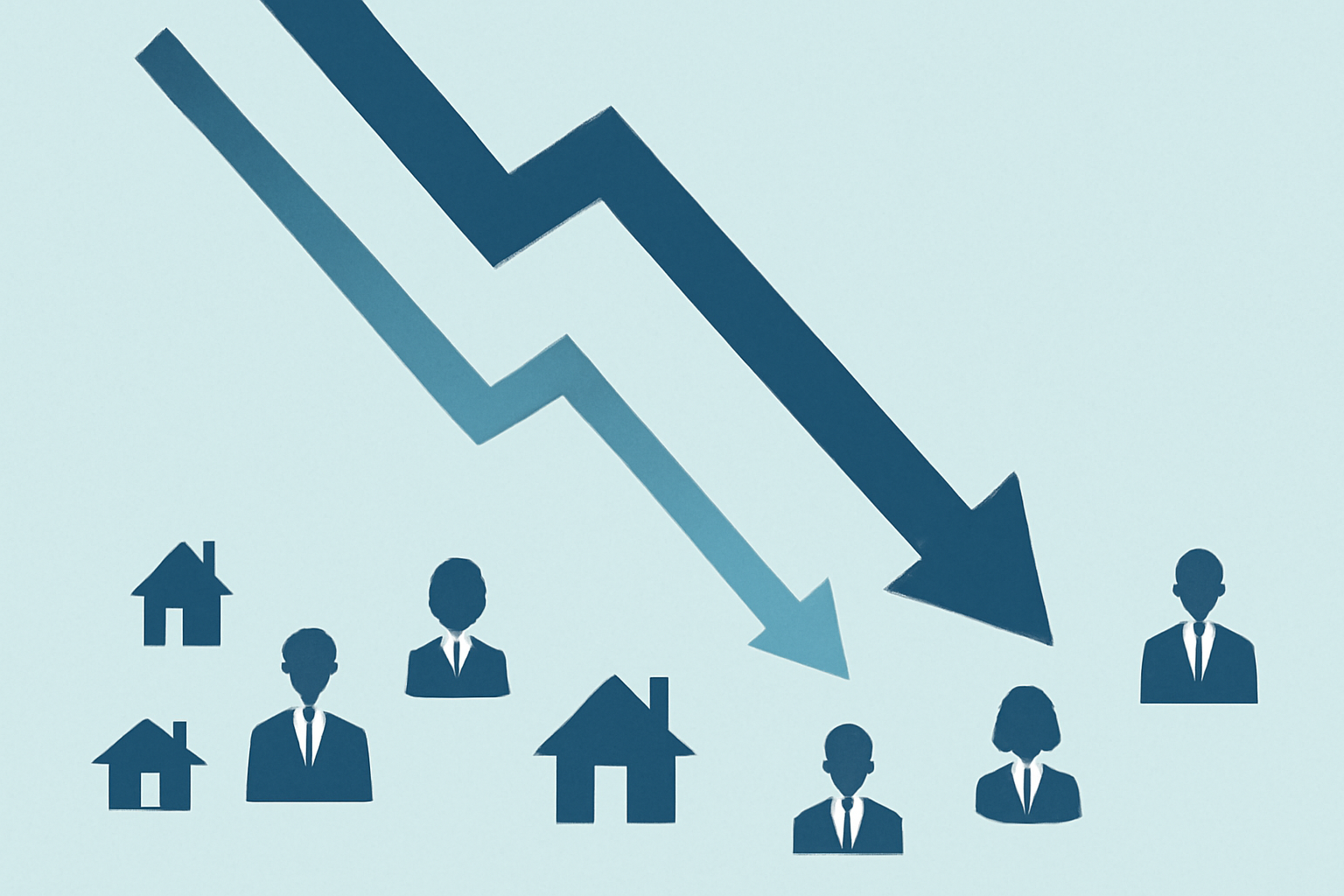
The investor share of total home purchases fell from a peak of 20.4% in Q1 2022 to just 15.6% by mid-2023. This retreat was most pronounced among institutional buyers who typically rely more heavily on favorable financing terms. Across the first three quarters of 2023, investors purchased just 10.8% of homes sold, down from 12.0% during the same period in 2022.
This pullback reflected the reality that many previously viable investment models no longer penciled out in an environment of higher rates and elevated prices. For those still focused on building generational wealth through real estate, 2023 required patience, selectivity, and often a shift toward value-add opportunities where forced appreciation could offset higher financing costs.