The Direct Economic Impact of Quality Rental Properties
Job Creation Through Property Management and Maintenance
When property owners invest in quality rental properties, they create jobs that extend far beyond their immediate business operations. Each well-maintained rental property supports a network of local professionals who keep these housing units in top condition.
Local property management companies typically hire from within the community, creating positions for property managers, leasing agents, and administrative staff. For every 100 rental units, approximately 1-2 full-time property management positions are created, according to data from the National Association of Realtors.
Maintenance needs generate consistent work for local tradespeople. A single 20-unit apartment building can support part-time or full-time work for:

- Plumbers and electricians for regular repairs
- Handymen for minor fixes and improvements
- HVAC technicians for seasonal system maintenance
- Painters for unit turnovers
- Cleaning crews for common areas and vacant units
The ripple effect of real estate investments extends to supporting industries. Quality rentals require regular landscaping, snow removal, security monitoring, pest control, and specialized cleaning services. These aren’t just occasional jobs—they represent steady, reliable income streams for local small businesses.
When property owners prioritize quality, they hire skilled professionals rather than cutting corners. This approach creates higher-paying, more stable positions. A property owner who regularly maintains their units might employ a skilled carpenter at $30/hour versus paying minimum wage for patchwork repairs when problems become unavoidable.
Increased Local Spending and Tax Revenue
Well-maintained rental properties boost local economies through multiple channels. Property values rise when rentals are kept in excellent condition, which directly expands municipal tax bases. A study by the Urban Institute found that for every $1 invested in property improvements, surrounding property values can increase by up to $3, generating additional property tax revenue that funds essential community services.
Tenants who live in quality housing tend to stay longer and develop stronger ties to their neighborhoods. This stability translates into increased local spending—residents who feel secure in their housing situations are more likely to:
- Patronize nearby restaurants and retail establishments
- Join local gyms and recreational facilities
- Participate in community events and fundraisers
- Make long-term buying decisions like furniture and home goods
The relationship between housing stability and local economic vitality is clear. When residents aren’t worried about housing issues, they have more disposable income and mental bandwidth to engage with local businesses.
Building Generational Wealth Through Turnkey Real Estate
Quality rental properties offer one of the most accessible paths to building generational wealth for investors. Unlike stocks or bonds, turnkey real estate provides multiple wealth-building advantages:
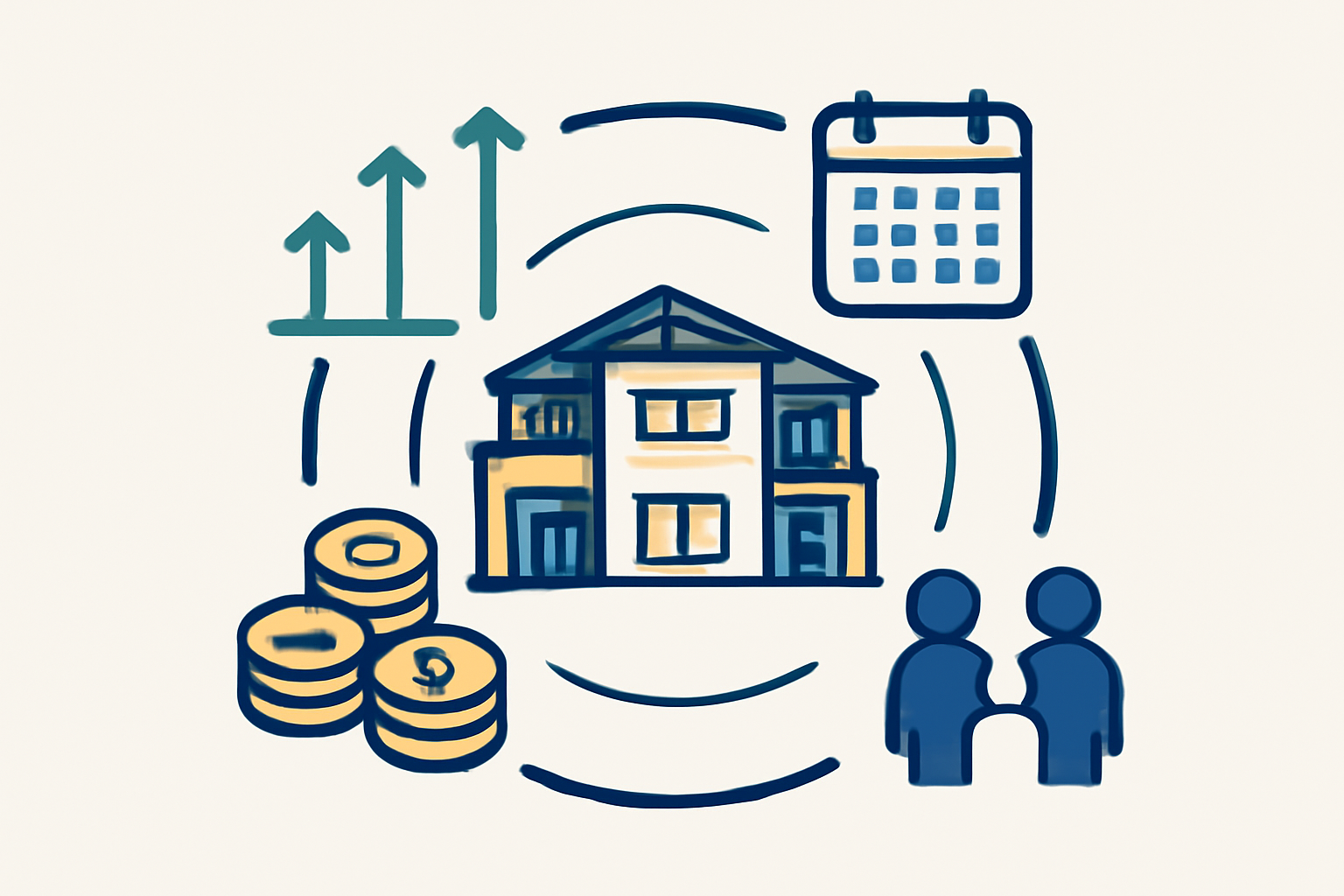
- Appreciation of the underlying asset
- Monthly cash flow from rental income
- Tax advantages through depreciation
- Inflation protection as rents rise over time
- Leverage through mortgage financing
Families can pass down rental properties to the next generation, creating lasting financial legacies. According to research from JPMorgan Chase, real estate has been one of the most reliable vehicles for transferring wealth between generations, particularly in communities where access to other investment opportunities may be limited.
When local investors succeed with rental properties, their increased spending power and reinvestment create economic ripples throughout the community. Local banks provide financing, local shops receive increased patronage, and successful investors often mentor others, spreading knowledge and opportunity.
Reducing Economic Costs Associated with Housing Instability
Quality rentals dramatically reduce the economic burden of housing instability on communities. High tenant turnover costs the average landlord $1,500-$5,000 per turnover in lost rent, marketing, and unit preparation. These costs eventually get passed to renters or reduce property owners’ local spending.
The health impacts of quality housing are substantial. Residents in well-maintained properties experience fewer respiratory illnesses, reduced stress, and better overall health outcomes. These benefits translate to fewer missed workdays, higher productivity, and reduced healthcare costs that burden local economies.
Communities with stable, quality rental housing see reduced demands on social services. Opportunity Home research shows that housing instability is linked to increased use of emergency services, homeless shelters, and other crisis interventions that strain public budgets.