The Evolving Economic Landscape: Inflation and Interest Rates in 2024
The Persistent Impact of Inflation
As we reflect on the first half of 2024, inflation has remained a stubborn economic force, continuing to reshape the landscape for real estate investors. Housing and rental markets have felt these pressures acutely, with ripple effects throughout the entire investment ecosystem.
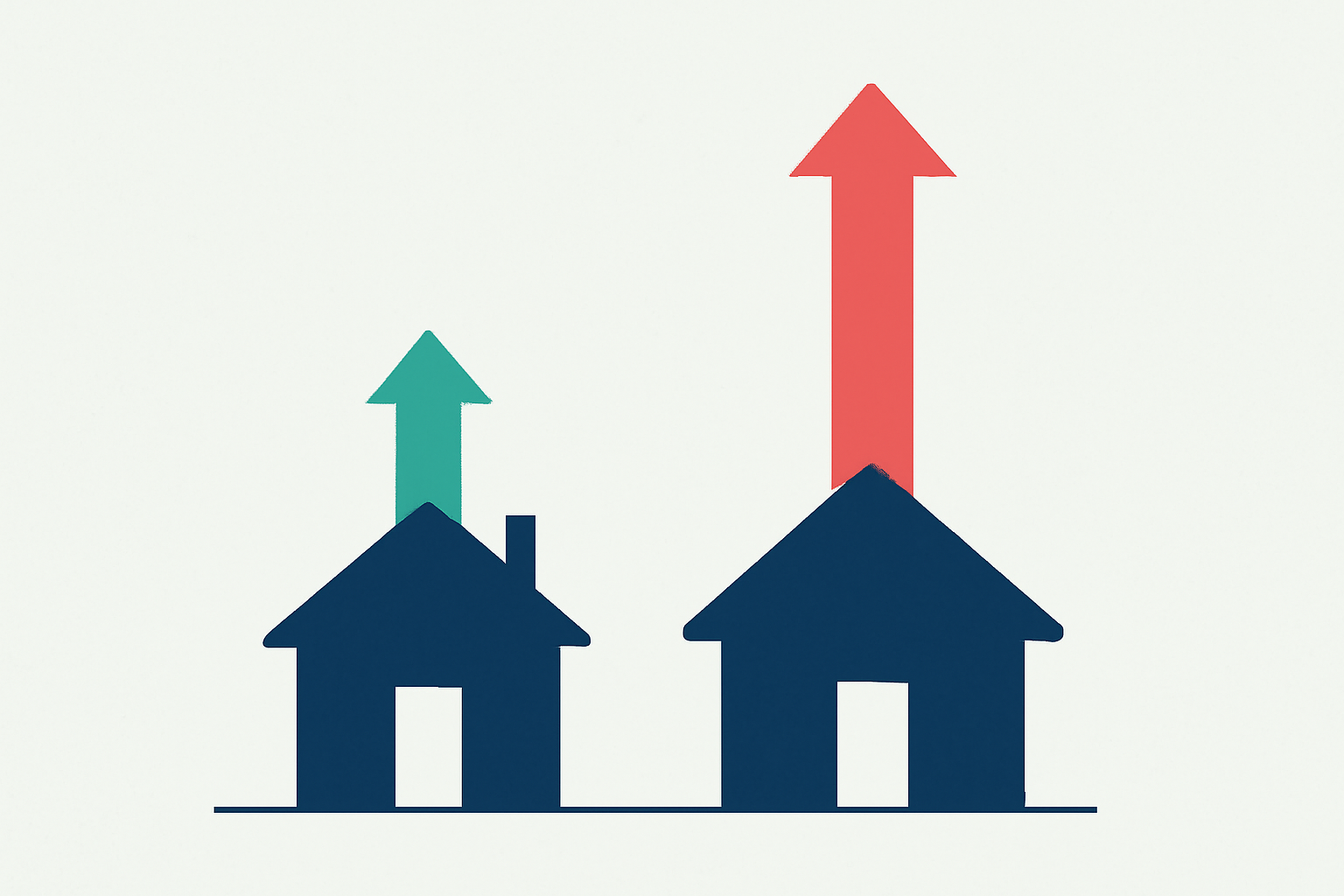
For property owners, basic operational costs have climbed significantly. Maintenance expenses—from plumbing repairs to roof replacements—now come with premium price tags. Property insurance premiums have soared by 15-20% in many markets, while utility costs continue their upward trajectory. These increasing expenses directly eat into the profit margins that make real estate investments attractive vehicles for building generational wealth.
The burden of inflation doesn’t stop with property owners. Renters face their own challenges as their household budgets stretch thinner with each passing month. According to JPMorgan Chase research, many tenants now allocate over 30% of their income toward housing—a threshold commonly considered the maximum for financial health.
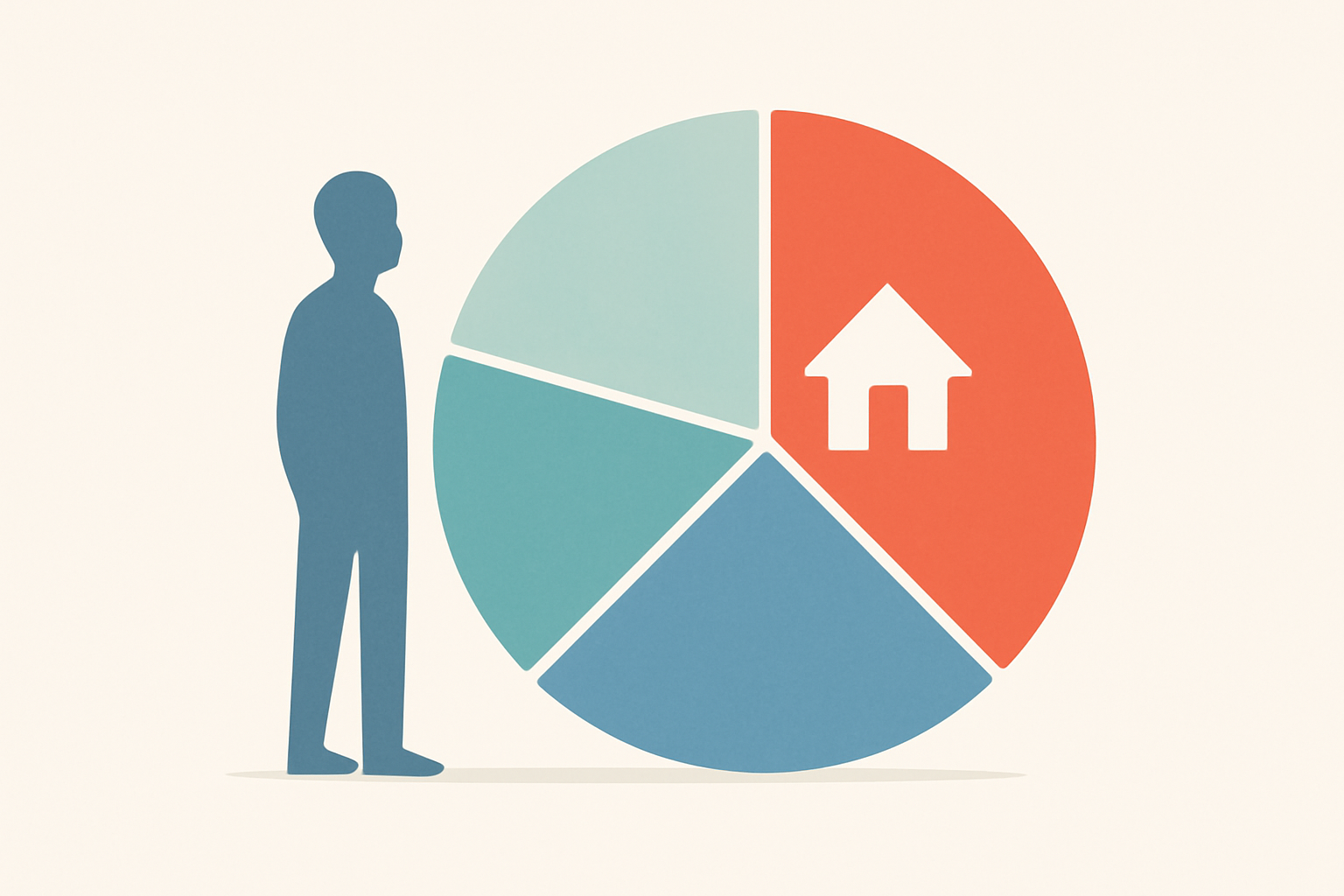
When essential costs like groceries, transportation, and healthcare also rise, renters become increasingly vulnerable to financial instability.
This dynamic creates a complex balancing act for landlords who must weigh necessary rent increases against tenant affordability and retention.
Navigating Higher Financing Costs
The days of historically low interest rates that fueled the real estate boom are firmly behind us. By October 2024, 30-year fixed mortgage rates reached 6.54%—a dramatic shift from the sub-3% rates many investors had grown accustomed to during the pandemic era.
This rate environment has fundamentally altered the acquisition math for turnkey real estate investments. A property purchased at $300,000 now carries monthly financing costs hundreds of dollars higher than just two years ago. This dramatically changes cash flow calculations that once made certain properties appealing investment targets.
For example, an investor who purchased a rental property with a $250,000 mortgage in 2021 at 3% would have paid roughly $1,054 monthly.
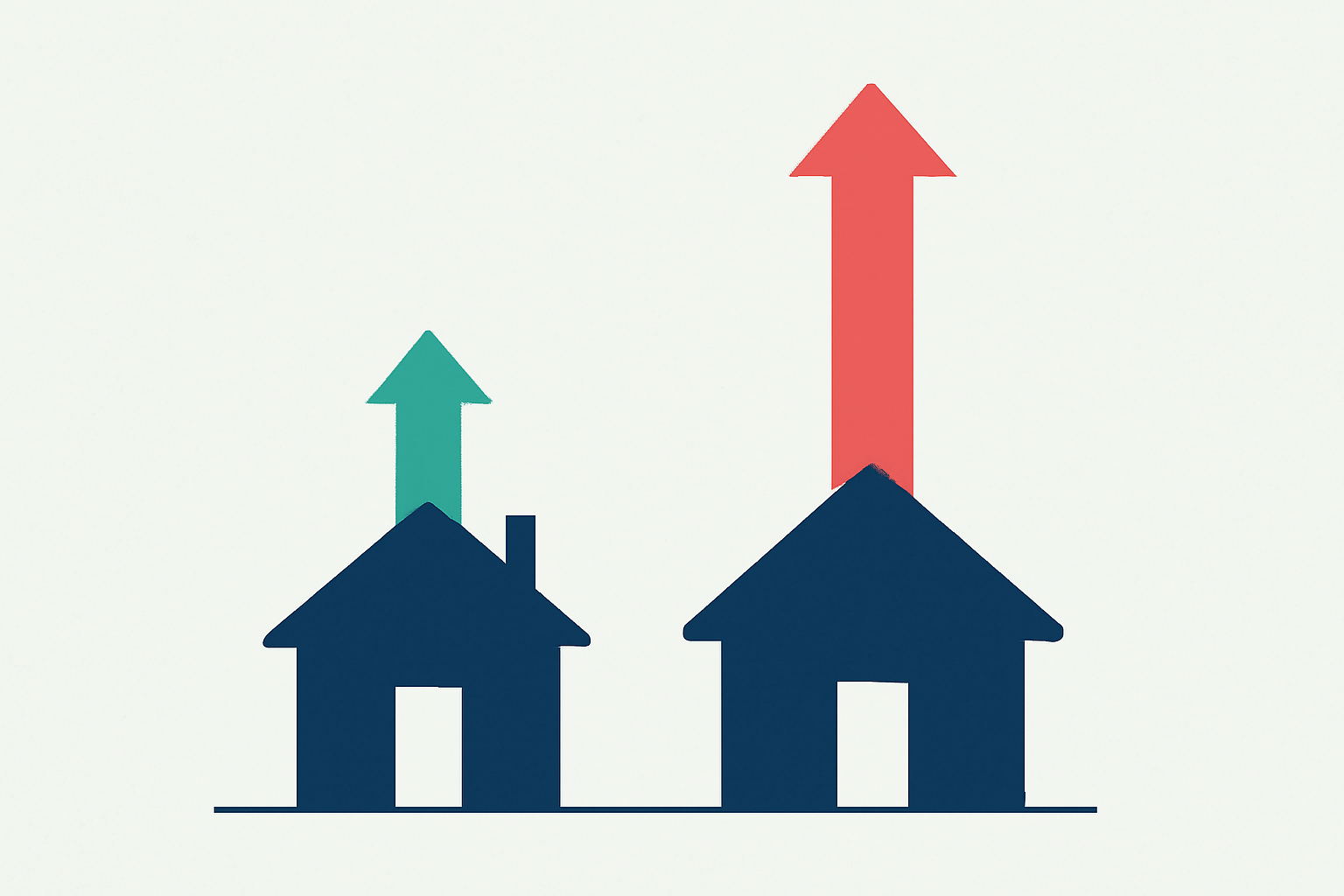
That same mortgage at today’s rates approaches $1,600—a 50% increase in carrying costs with no corresponding increase in rental income.
The “higher-for-longer” interest rate policy adopted by central banks has forced investors to completely rethink their approach to leverage. Many who previously maximized their borrowing power to acquire multiple properties now find themselves carefully evaluating each potential purchase against much stricter profitability thresholds.
Investor Adaptation to the New Rate Environment
Real estate investors have begun accepting this higher-rate reality as the “new normal” rather than a temporary deviation. This mindset shift represents a significant evolution in the market psychology that dominated the previous decade.
The mechanics of valuation have changed accordingly. Higher interest rates directly reduce the present value of future rental income through elevated discount rates. A property expected to generate $25,000 in annual revenue for ten years has a significantly lower present value when discounted at 7% versus 4%.
This valuation pressure creates opportunities for cash-rich investors while challenging those heavily dependent on financing. Many seasoned investors are finding that the fundamentals of real estate investments still hold—just with adjusted expectations. The focus has shifted from appreciation-driven strategies toward cash flow and intrinsic value.
Rather than abandoning real estate entirely, investors are adapting by seeking properties in markets with stronger rent-to-price ratios, extending hold periods, and emphasizing value-add opportunities that can boost returns despite the higher financing costs.