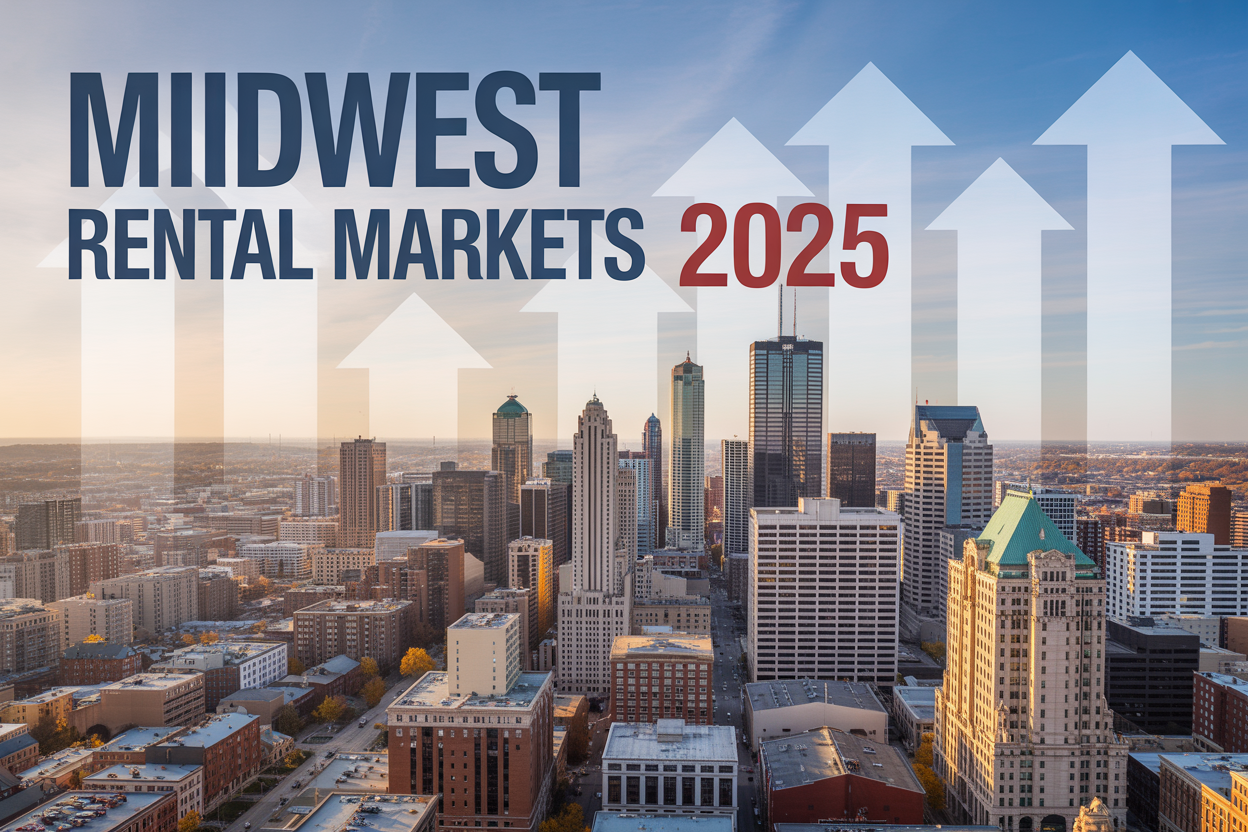
“Top Emerging Rental Markets in the Midwest for 2025” (Kansas City, Indianapolis, Ohio submarkets).
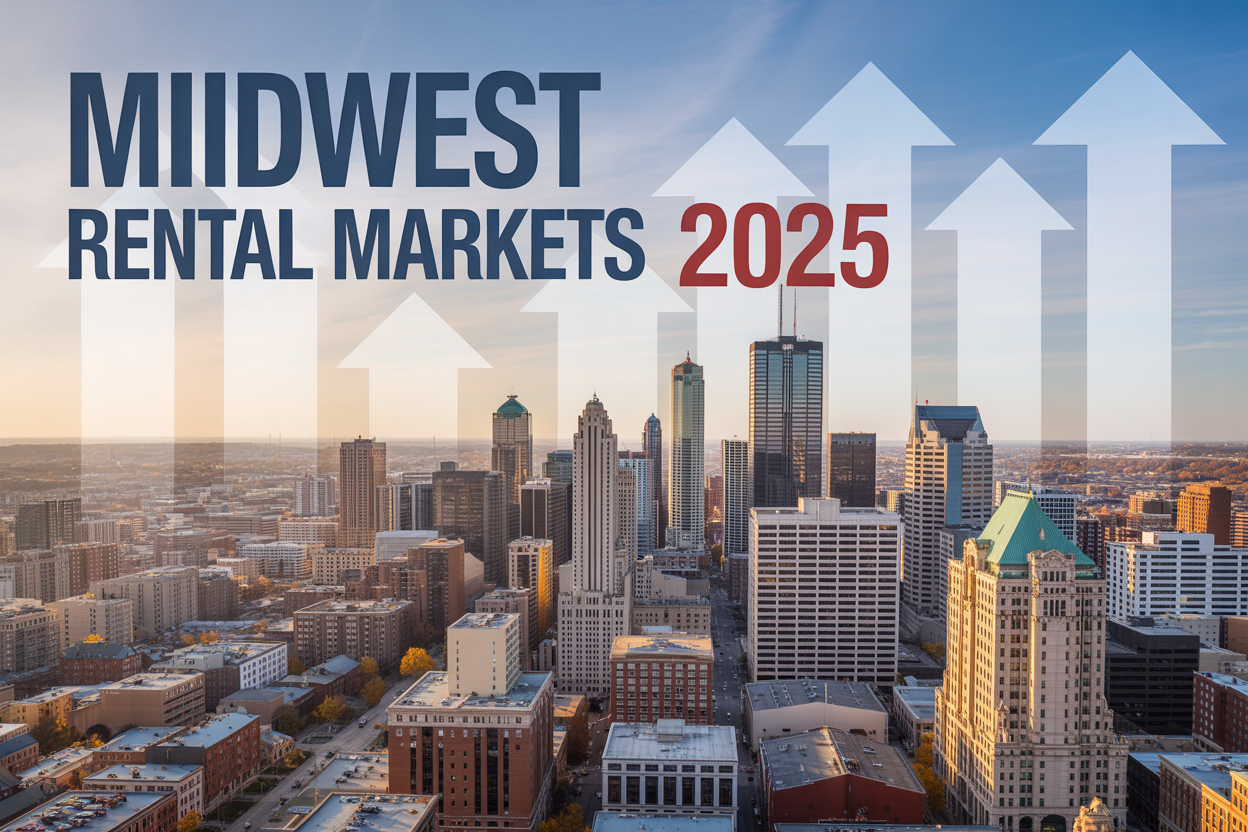
The Midwest rental market is experiencing a major shift, and 2025 could be the year that changes everything for real estate investors. While coastal markets grab headlines with sky-high prices, savvy investors are discovering that the real opportunities lie in overlooked Midwest cities offering strong fundamentals, growing job markets, and rental yields that make financial sense.
This analysis is designed for real estate investors, property managers, and anyone looking to capitalize on emerging rental markets before they become mainstream investment targets. We’ll break down why Kansas City, Indianapolis, and select Ohio submarkets are positioned for exceptional growth in the coming year.
You’ll discover how Kansas City’s strategic location and infrastructure investments are creating a rental market revolution that’s flying under most investors’ radars. We’ll also examine Indianapolis’s transformation from manufacturing hub to tech powerhouse and how this shift is driving unprecedented rental demand. Finally, we’ll uncover the Ohio submarkets that are delivering outsized returns while most investors focus on Columbus and Cleveland.
Why the Midwest is Becoming a Rental Investment Goldmine

Lower barrier to entry compared to coastal markets
The Midwest rental markets 2025 landscape presents a stark contrast to the sky-high entry costs plaguing coastal cities. While investors in San Francisco or New York need $1-2 million just to secure a decent rental property, Kansas City rental investment opportunities start around $100,000-200,000 for cash-flowing properties. This dramatic difference means your dollar stretches significantly further, allowing you to build a diversified portfolio without breaking the bank.
Indianapolis rental properties offer similar advantages, with median home prices sitting around $180,000 compared to $700,000+ in coastal markets. This affordability gap creates opportunities for both new and experienced investors to acquire multiple properties, spreading risk while maximizing returns. The math is simple – lower acquisition costs mean higher percentage returns on investment.
Strong job growth driving rental demand
Economic momentum across emerging rental markets in the Midwest has reached a tipping point. Kansas City’s logistics and tech sectors have added over 15,000 jobs in the past two years, creating sustained demand for quality rental housing. The city’s central location makes it a distribution hub for major retailers, providing stable employment that translates directly into rental stability.
Indianapolis housing market benefits from explosive growth in its tech corridor, with companies like Salesforce, Infosys, and Amazon expanding operations. This job diversification beyond traditional manufacturing creates higher-paying positions that support premium rental rates. Healthcare and life sciences sectors also contribute significantly, with major employers like Eli Lilly driving consistent housing demand.
Population migration trends favoring Midwest cities
Migration patterns reveal a significant shift toward Midwest property investment opportunities. Census data shows net positive migration to Kansas City, Indianapolis, and Ohio rental submarkets for three consecutive years. Young professionals are leaving expensive coastal markets for better work-life balance and homeownership prospects, creating a robust renter pool during their transition years.
The remote work revolution accelerated this trend, with professionals realizing they can maintain competitive salaries while enjoying lower living costs. This demographic shift brings higher-income renters who value quality amenities and are willing to pay premium rents for modern properties.
Superior cash flow potential for investors
Rental yields 2025 projections show Midwest markets delivering 8-12% cash-on-cash returns compared to 2-4% in coastal areas. Kansas City real estate investment properties typically generate $200-400 monthly cash flow per unit, while similar investments in expensive markets barely break even after expenses.
Ohio real estate investment opportunities shine particularly bright in submarkets like Columbus and Cincinnati, where strong rental demand meets reasonable property prices. These markets offer the perfect storm for investors: growing populations, job diversity, affordable entry points, and rental rates that support healthy margins.
The combination of lower property taxes, reasonable maintenance costs, and strong rental demand creates sustainable cash flow that coastal markets simply can’t match. Smart investors are recognizing this opportunity before institutional buyers drive up prices.
Kansas City: The Hidden Gem of Rental Markets

Affordable Property Prices with High Rent-to-Price Ratios
Kansas City rental investment opportunities are catching the attention of savvy investors nationwide, and for good reason. The median home price in Kansas City hovers around $200,000, significantly below national averages, while rental rates continue climbing steadily. This creates an attractive rent-to-price ratio that often exceeds 1%, making it one of the most compelling cash flow markets in the country.
Properties in neighborhoods like Crossroads Arts District and River Market command monthly rents between $1,800-$2,500, while purchase prices remain reasonable. Single-family homes that sell for $180,000-$250,000 can generate $1,600-$2,200 monthly rent, delivering immediate positive cash flow that’s becoming increasingly rare in coastal markets.
The affordability extends beyond purchase prices. Property taxes remain low compared to neighboring states, with effective rates around 1.1%, and maintenance costs stay manageable thanks to the region’s stable climate. Insurance costs are reasonable too, making the total cost of ownership attractive for long-term wealth building.
Diverse Economy Attracting Young Professionals
The Kansas City metro area has transformed into a magnet for young professionals, driven by a robust and diversified economic base that’s creating sustained rental demand. Major employers like Cerner Corporation (now Oracle Health), Hallmark Cards, and H&R Block provide stable, high-paying jobs that attract educated millennials and Gen Z workers.
The city’s tech sector is booming, with Google establishing a significant presence and numerous startups choosing Kansas City for its business-friendly environment and lower operating costs. The financial services sector thrives here too, with companies like American Century Investments and Commerce Bancshares offering competitive salaries that support premium rental rates.
What makes Kansas City particularly attractive to young professionals is the lifestyle factor. The cost of living allows for a higher quality of life – professionals can afford trendy apartments in walkable neighborhoods like the Power & Light District while still saving money. This demographic typically prefers renting over buying, especially in their first few years after relocating, creating consistent demand for quality rental properties.
The city’s vibrant food scene, sports teams (Chiefs and Royals), and cultural attractions keep young talent engaged and committed to staying long-term, reducing tenant turnover and vacancy rates for investors.
Major Infrastructure Developments Boosting Property Values
Kansas City real estate values are getting a significant boost from strategic infrastructure investments that are reshaping entire neighborhoods. The $1.5 billion KCI Airport terminal project has modernized the city’s gateway, making it more attractive for businesses and residents while improving property values in surrounding areas.
The downtown streetcar system connects key districts and has spurred development along its route. Properties within walking distance of streetcar stops have seen appreciation rates 15-20% higher than the overall market average. The planned expansion will extend service to additional neighborhoods, creating new investment opportunities.
The massive redevelopment of the Crossroads Arts District and River Market areas represents hundreds of millions in private and public investment. New mixed-use developments, restaurants, and entertainment venues are transforming these areas into highly desirable live-work-play environments. Properties that were overlooked just five years ago now command premium rents.
Infrastructure improvements extend to transportation networks too. Highway improvements and the expansion of bike lanes are making more neighborhoods accessible and desirable. The city’s commitment to smart city initiatives and fiber optic infrastructure appeals to tech workers and remote employees, supporting rental demand in previously undervalued areas.
These infrastructure developments create a ripple effect – as one area improves, adjacent neighborhoods see increased interest and property values, providing multiple entry points for investors at different price levels.
Indianapolis: Tech Hub Growth Fueling Rental Demand

Booming Healthcare and Technology Sectors
Indianapolis has quietly transformed into a tech powerhouse, making Indianapolis rental properties increasingly attractive to investors. The city ranks among the top five fastest-growing tech markets in the nation, with major companies like Salesforce, Infosys, and Roche establishing significant operations downtown. This tech boom creates a steady stream of well-paid professionals seeking quality rental housing.
The healthcare sector adds another layer of stability to the Indianapolis housing market. Home to pharmaceutical giants Eli Lilly and Company, plus major healthcare systems like Indiana University Health, the city employs over 200,000 people in healthcare-related fields. These professionals typically earn above-average salaries and represent reliable, long-term tenants who value proximity to their workplaces.
Recent data shows tech salaries in Indianapolis averaging $75,000-$95,000 annually, while healthcare professionals earn between $65,000-$120,000. This income level supports rental rates of $1,200-$1,800 for quality apartments, creating solid rental yields for property investors.
Strong University Presence Ensuring Consistent Tenant Pool
Indianapolis benefits from multiple higher education institutions that guarantee year-round rental demand. Indiana University-Purdue University Indianapolis (IUPUI) enrolls over 29,000 students, while Butler University adds another 5,000 students to the mix. These universities create natural feeder systems for both student housing and post-graduation retention.
The graduate and professional programs at these institutions produce a steady pipeline of educated workers who often remain in Indianapolis after completing their studies. Medical students at the IU School of Medicine frequently transition into residencies at local hospitals, creating multi-year rental commitments.
University staff and faculty represent another reliable tenant demographic. With combined employment of over 15,000 people across local universities, this group typically seeks longer-term rental arrangements and maintains stable income streams.
Transportation Improvements Increasing Accessibility
Major infrastructure investments are reshaping Indianapolis rental investment opportunities. The $1.3 billion Red Line BRT system connects downtown to surrounding neighborhoods, increasing property values along transit corridors by 8-12%. Areas like Broad Ripple and Fountain Square have seen rental demand surge following improved connectivity.
Interstate improvements, including the ongoing I-65/I-70 reconstruction project, enhance Indianapolis’s role as a logistics hub. This attracts distribution centers and manufacturing facilities, creating blue-collar job opportunities that support rental housing demand in suburban markets.
The Indianapolis International Airport’s recent expansion positions the city as a regional business travel hub, attracting corporate relocations and temporary housing needs that benefit furnished rental properties.
Ohio’s Rising Submarkets Worth Your Attention

Akron and Canton Sustainability
These two Northeast Ohio cities represent some of the most compelling opportunities in the Ohio rental submarkets, offering investors a unique combination of affordability and long-term growth potential. Akron, once synonymous with tire manufacturing, has undergone a remarkable transformation into a diversified economy focused on healthcare, education, and advanced manufacturing. The University of Akron serves as an economic anchor, creating steady rental demand from students, faculty, and young professionals entering the workforce.
Canton’s strategic position along major transportation corridors makes it an attractive location for logistics and distribution companies, driving employment growth and housing demand. The city’s proximity to Cleveland and Columbus provides residents with expanded job opportunities while maintaining significantly lower living costs. This dynamic has created a sweet spot for rental investors seeking strong cash flow potential.
Both markets showcase impressive rental sustainability metrics. Average home prices in Akron hover around $75,000-$95,000, while Canton properties can be acquired for $60,000-$85,000. These price points translate to exceptional rent-to-price ratios, often exceeding 1.5% monthly, which far surpasses national averages. The local rental market benefits from a diverse tenant pool including university students, healthcare workers from major medical facilities, and blue-collar professionals in manufacturing and logistics.
Infrastructure investments in both cities signal long-term viability. Akron’s downtown revitalization projects and Canton’s Hall of Fame Village development demonstrate municipal commitment to growth. Property management costs remain reasonable, and both markets offer strong tenant protections that balance investor and renter interests. The combination of affordable entry points, stable rental demand, and ongoing economic diversification makes these Ohio rental submarkets particularly attractive for investors seeking sustainable returns in 2025.
Market Analysis and Investment Metrics That Matter

Rental Yield Comparisons Across Featured Markets
| Market | Average Rental Yield | Price-to-Rent Ratio | ROI Potential |
|---|---|---|---|
| Kansas City | 8.2% – 10.5% | 12.5:1 | High |
| Indianapolis | 7.8% – 9.8% | 13.2:1 | High |
| Columbus, OH | 7.5% – 9.2% | 14.1:1 | Medium-High |
| Cincinnati, OH | 8.8% – 11.2% | 11.8:1 | Very High |
| Cleveland, OH | 9.5% – 12.8% | 10.2:1 | Very High |
Kansas City rental investment opportunities shine with gross rental yields averaging between 8.2% and 10.5%, significantly outperforming coastal markets where yields rarely exceed 5%. Single-family rentals in emerging neighborhoods like Crossroads and River Market command $1,200-$1,800 monthly rents while purchase prices remain below $180,000.
Indianapolis rental properties deliver solid returns with yields ranging from 7.8% to 9.8%. The tech corridor expansion around Carmel and Fishers drives premium rental rates of $1,400-$2,200 monthly, while acquisition costs stay competitive at $160,000-$240,000 for quality investment properties.
Ohio rental submarkets present exceptional value propositions. Cincinnati leads with yields reaching 11.2% in revitalized districts, while Cleveland’s lakefront properties generate impressive 12.8% returns. Columbus maintains steady 7.5%-9.2% yields bolstered by stable university and government employment.
Population Growth and Demographic Trends
Midwest rental markets 2025 projections show Kansas City adding 15,000-18,000 new residents annually, with 68% of newcomers aged 25-40 – prime rental demographics. The millennial influx drives demand for urban-adjacent properties with modern amenities.
Indianapolis experiences 12,000-14,000 annual population gains, concentrated in tech-friendly suburbs. Young professionals relocating from expensive coastal markets seek rental housing averaging 18-24 months before purchasing, creating steady tenant turnover and rent growth opportunities.
Ohio’s major metros demonstrate varied growth patterns. Columbus leads with 20,000+ annual additions, while Cincinnati adds 8,000-10,000 residents yearly. Cleveland’s population stabilizes with strategic downtown revitalization attracting 5,000+ young professionals annually.
Key demographic shifts include:
- 42% increase in remote workers seeking affordable living costs
- 35% growth in households earning $50,000-$85,000 annually
- Rising demand from relocating retirees seeking lower cost of living
Employment Stability and Wage Growth Projections
Kansas City real estate benefits from diversified employment anchored by healthcare giants like Cerner (now Oracle Health) and growing logistics sectors. Average wages increased 4.8% annually over the past three years, outpacing national averages.
The Indianapolis housing market thrives on tech sector expansion, with Salesforce, Infosys, and emerging startups creating 8,000+ high-paying positions annually. Manufacturing stability from automotive and pharmaceutical industries provides recession-resistant employment base.
Ohio real estate investment markets showcase robust employment fundamentals:
- Columbus: Government and education sectors provide 180,000+ stable jobs
- Cincinnati: Corporate headquarters including P&G, Kroger ensure economic stability
- Cleveland: Healthcare and advanced manufacturing drive wage growth of 3.9% annually
Unemployment rates remain below national averages:
- Kansas City: 3.1%
- Indianapolis: 2.8%
- Columbus: 3.4%
- Cincinnati: 3.2%
- Cleveland: 4.1%
Vacancy Rates and Rental Price Trajectories
Emerging rental markets across the Midwest maintain healthy vacancy rates indicating strong demand without oversupply concerns. Kansas City’s vacancy rate of 6.2% reflects balanced market conditions, while rental prices climbed 7.3% year-over-year.
Indianapolis maintains a tight 5.8% vacancy rate with rental increases averaging 8.1% annually. Premium submarkets like Broad Ripple and Mass Ave experience sub-4% vacancies with corresponding rent premiums.
Midwest property investment markets show sustainable price growth:
| City | Current Vacancy Rate | 12-Month Rent Growth | 3-Year Projection |
|---|---|---|---|
| Kansas City | 6.2% | +7.3% | +22% – +28% |
| Indianapolis | 5.8% | +8.1% | +25% – +32% |
| Columbus | 7.1% | +6.8% | +20% – +25% |
| Cincinnati | 6.8% | +5.9% | +18% – +24% |
| Cleveland | 8.3% | +4.2% | +15% – +20% |
Single-family rental vacancy rates run 2-3 percentage points lower than multifamily properties, reflecting strong demand for standalone housing. Rental price trajectories remain sustainable with increases tied to job growth and population influx rather than speculative bubbles.
Strategic Investment Approaches for Each Market

Neighborhood Selection Criteria for Maximum Returns
The secret to profitable Midwest rental markets lies in picking the right neighborhoods within these emerging cities. Smart investors know that location trumps property condition every time, and these three markets offer distinct neighborhood characteristics that can make or break your investment returns.
Kansas City’s Sweet Spots
Target neighborhoods experiencing rapid transit development, particularly along the KC Streetcar expansion routes. Areas like River Market and Crossroads Arts District command premium rents while offering strong appreciation potential. Look for neighborhoods within a 15-minute commute to major employers like Cerner Corporation and Sprint headquarters. Properties near the University of Missouri-Kansas City campus provide steady rental demand from graduate students and young professionals.
Focus on walk scores above 50 and neighborhoods with established coffee shops, restaurants, and local businesses. These amenities signal sustained demand and attract quality tenants willing to pay higher rents. Crime statistics matter significantly – stick to areas with property crime rates below the city average.
Indianapolis Investment Zones
The tech hub growth in Indianapolis creates specific neighborhood opportunities. Mass Ave Cultural District and Fletcher Place offer excellent rental yields for young professionals working downtown. Broad Ripple attracts both students and young families, providing diverse tenant pools.
Pay special attention to neighborhoods within 10 miles of major employers like Salesforce, Infosys, and the expanding downtown tech corridor. Properties near the IndyGo Red Line rapid transit offer enhanced desirability and command 10-15% rent premiums over comparable units without transit access.
Ohio Submarkets Strategy
Columbus neighborhoods near Ohio State University and the Short North Arts District provide consistent rental demand. Cleveland’s Tremont and Ohio City areas offer value plays with strong gentrification indicators. Cincinnati’s Over-the-Rhine district represents a proven turnaround story with continued upside potential.
Look for Ohio rental properties in neighborhoods showing signs of young professional migration – new brewery openings, artisan coffee shops, and converted warehouse spaces. These indicators often precede significant rent growth within 2-3 years.

The Midwest rental markets are clearly having their moment, with Kansas City, Indianapolis, and Ohio submarkets leading the charge. These cities offer something that’s becoming harder to find elsewhere: solid rental yields, growing populations, and affordable entry points for investors. Kansas City’s strategic location and business-friendly environment make it a gateway for steady returns, while Indianapolis is riding the wave of its manufacturing and tech renaissance. Ohio’s smaller submarkets are the real sleepers here, delivering impressive returns that many coastal investors are still sleeping on.
Smart investors should seriously consider diversifying into these markets before they become mainstream. The combination of strong job growth, affordable housing stock, and increasing rental demand creates a perfect storm for profitable investments. Don’t wait for these markets to hit their peak – the time to act is now while prices are still reasonable and rental demand continues to climb. Whether you’re looking to add a few properties to your portfolio or make your first rental investment, the Midwest is serving up opportunities that are hard to ignore.