
Understanding and Accessing Your Property Equity
Calculating Your Available Equity
The foundation of property leverage is knowing exactly how much equity you have available to tap into. The basic calculation is straightforward:
Gross Equity = Current Property Value – Outstanding Mortgage Balance
For example, if your property is worth $400,000 and you owe $250,000 on your mortgage, your gross equity is $150,000. However, you can’t access all of this equity.
Most lenders limit your borrowing to between 75-80% of your property’s value, minus what you still owe. This creates your accessible equity:
Accessible Equity = (Property Value × 0.75 or 0.8) – Current Mortgage Balance
Using our example:
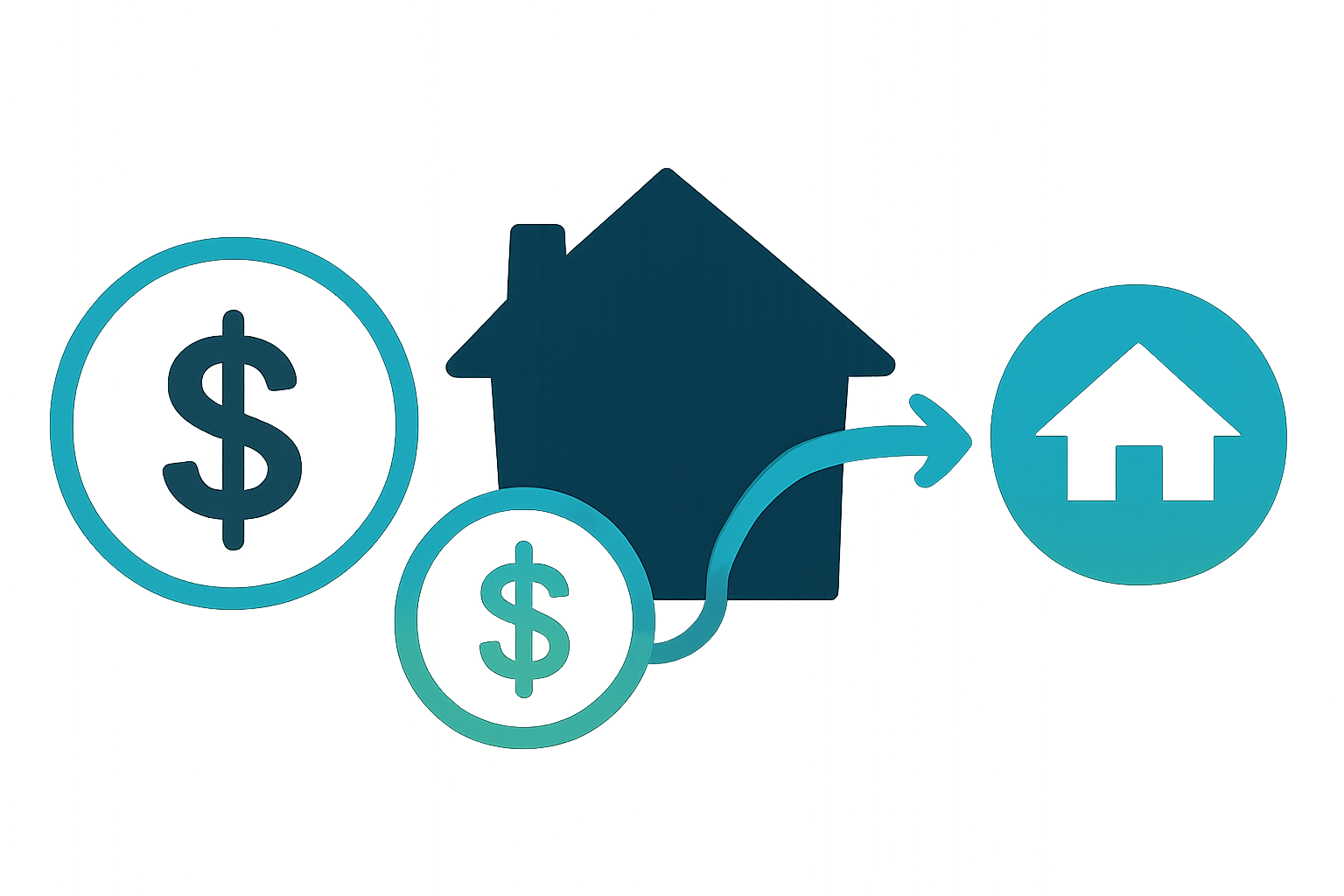
– Property value: $400,000 – Current mortgage: $250,000 – Accessible equity: ($400,000 × 0.8) – $250,000 = $320,000 – $250,000 = $70,000
To extract your equity accurately, you need a reliable property valuation. You have several options:
- Professional Appraisal ($300-500): The gold standard for lenders, providing a detailed assessment from a licensed appraiser.
- Comparative Market Analysis (CMA): Real estate agents can provide this free assessment comparing your property to recent neighborhood sales.
- Automated Valuation Models: Online tools like Zillow’s Zestimate offer ballpark figures but may vary significantly from appraised values.
- Broker Price Opinion (BPO): A middle ground between CMAs and appraisals, costing $100-150.
When scaling your portfolio, a professional appraisal is usually worth the investment, as even a 5% valuation difference could mean thousands in accessible capital.
Equity Extraction Methods Compared
Once you know your available equity, you need to decide how to access it. Three main options exist:
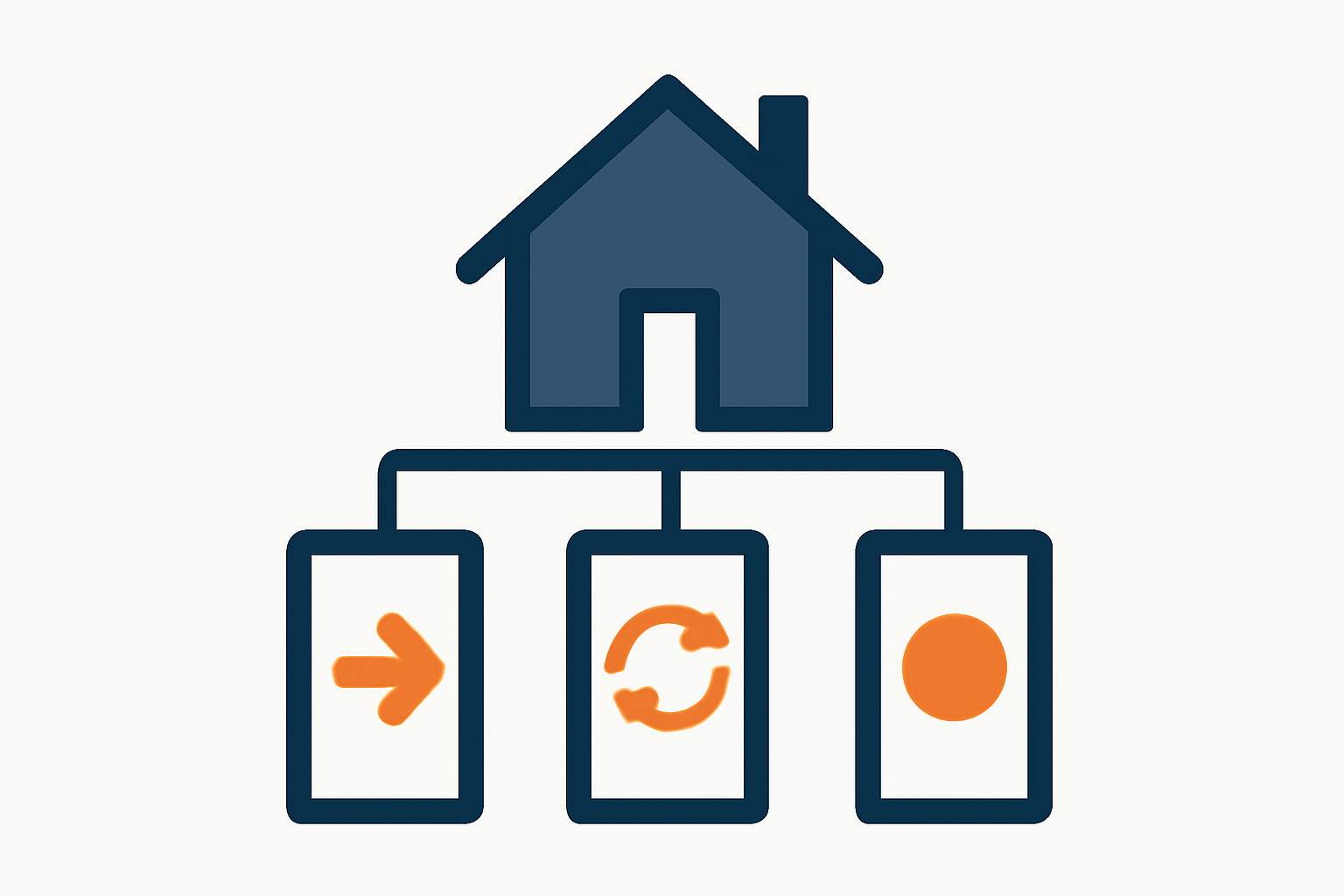
Cash-Out Refinance replaces your current mortgage entirely with a larger loan. You receive the difference between your new loan and your old mortgage balance in cash. This works best when current interest rates are lower than your existing mortgage rate or when you need a large lump sum.
Home Equity Line of Credit (HELOC) acts as a second mortgage that functions like a revolving credit line. You can draw funds when needed up to a predetermined limit during a draw period (typically 10 years), then enter a repayment phase. HELOCs typically have variable interest rates and minimal closing costs.
Home Equity Loan provides a one-time lump sum with fixed monthly payments. Unlike HELOCs, the interest rate is fixed, creating payment predictability.
Comparing costs is crucial:
- Refinancing typically costs 2-5% of the loan amount in closing costs but may offer lower interest rates
- HELOCs have minimal closing costs (often $0-500) but higher variable interest rates
- Home equity loans have moderate closing costs with fixed interest rates higher than primary mortgages
Tax implications differ too. While mortgage interest remains deductible (including cash-out refinancing), interest on home equity products is only deductible when used for property improvements.
Qualifying for Equity Loans: What Lenders Look For
Lenders evaluate several factors when considering equity-based loans:
Credit Score Requirements vary by product:
- Cash-out refinance: Typically 620+ (conventional), 580+ (FHA)
- HELOCs and home equity loans: Usually 620-700, with better rates above 740
Debt-to-Income (DTI) Ratio measures your monthly debt payments against your gross monthly income. Most lenders cap this at 43-50%, with investment properties facing stricter limits.
Property Type significantly impacts your options:
- Primary residences qualify for the highest LTV ratios (up to 80-90%)
- Investment properties typically max out at 75% LTV
- Second homes fall somewhere in between
Loan-to-Value Requirements determine your borrowing power:
- Primary residence: Up to 80% LTV for cash-out refinances, 85-90% for HELOCs
- Investment properties: Usually limited to 70-75% LTV
- Mixed-use properties: Often capped at 70% LTV
Remember, investment properties face stricter requirements across all categories, as lenders view them as higher risk.