

Understanding Landlord-Friendly Markets: Key Factors for Investors
Defining Landlord-Friendly: What Investors Should Look For
For single-family real estate investors, especially those interested in turnkey real estate opportunities or out-of-state investment properties, understanding what makes a market “landlord-friendly” is essential to long-term success. Landlord-friendly states aren’t just places with lax regulations—they’re markets where the overall ecosystem supports property ownership and investment.
A truly landlord-friendly market features policies, regulations, and economic conditions that create a favorable environment for property owners. When evaluating potential markets, investors should prioritize areas with balanced landlord-tenant laws that protect their investments while still attracting quality tenants.
The legal framework in a state dramatically affects your bottom line. Favorable laws regarding evictions, security deposits, and rent collection can mean the difference between a profitable investment and a cash-draining headache. These laws determine how quickly you can address issues like non-payment or property damage—critical considerations when managing out-of-state investment properties.
Strong rental demand is another hallmark of landlord-friendly markets. Areas experiencing population growth, job expansion, and housing shortages typically offer better occupancy rates and the potential for steady rent increases. This demand stability is particularly valuable for investors in turnkey real estate who want minimal management concerns.
Manageable ownership costs round out the equation. States with reasonable property tax rates, affordable insurance premiums, and lower maintenance costs allow for better cash flow. The ideal landlord-friendly market strikes a balance between protecting landlord rights and maintaining sufficient tenant protections to ensure a stable and profitable rental environment.

The Impact of Eviction Laws on Landlord Profitability
Eviction procedures vary dramatically across states, significantly impacting landlord profitability. Markets with streamlined eviction processes protect landlords from extended periods of lost income when dealing with problematic tenants.
Texas exemplifies landlord-friendly eviction laws, requiring only a 3-day notice to vacate before filing for eviction, with the entire process often completed within 21-30 days. This efficiency helps landlords minimize losses and quickly return properties to the rental market.
Similarly, Arizona allows landlords to give tenants a 5-10 day notice before filing for eviction, with proceedings typically resolved in 30-60 days. Alabama’s even faster process—often just 7-21 days—is particularly attractive for investors seeking turnkey real estate with minimal risk exposure.
In stark contrast, states like New York have tenant-friendly eviction laws that can extend the process for 3-6 months or longer.
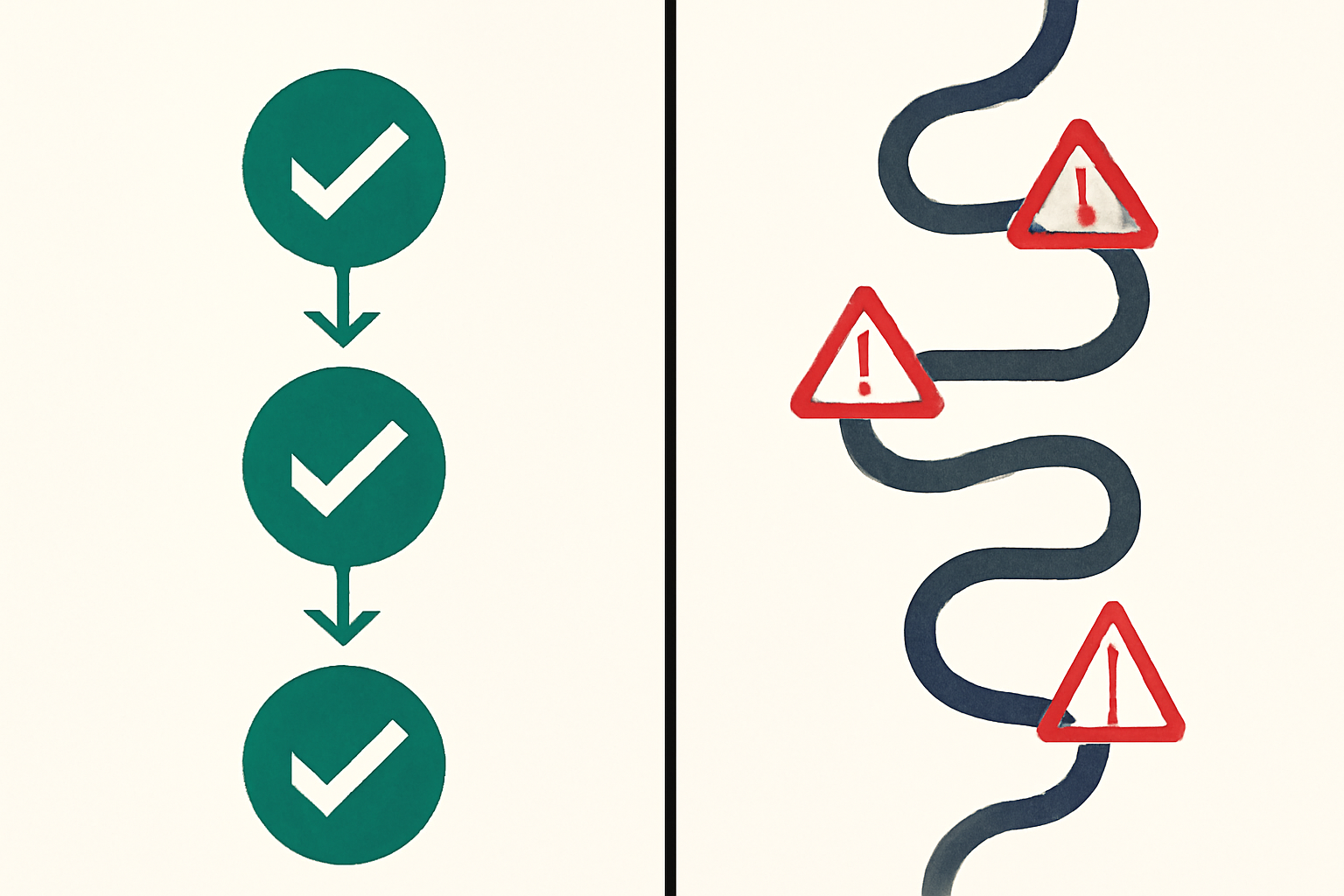
During this time, landlords face continued mortgage payments, property taxes, and maintenance costs while receiving no rental income—a nightmare scenario for any investor, especially those managing out-of-state investment properties.
Security Deposit and Late Fee Regulations
Landlord-friendly markets typically offer greater flexibility regarding security deposits and late fees, crucial tools for protecting your investment. In these states, landlords can collect adequate security against potential damage while setting meaningful late payment penalties.
Arizona allows security deposits up to 1.5 months’ rent and requires return within a reasonable 14-day timeframe. This balance protects landlords while remaining fair to tenants. Georgia and Indiana take an even more landlord-favorable approach, giving property owners significant control over security deposit amounts and late fee structures, though courts may intervene if charges are deemed unreasonable.