What Are DSCR Loans and How Do They Work for Rental Properties?
Defining DSCR Loans: The Cash Flow-Based Alternative to Traditional Mortgages
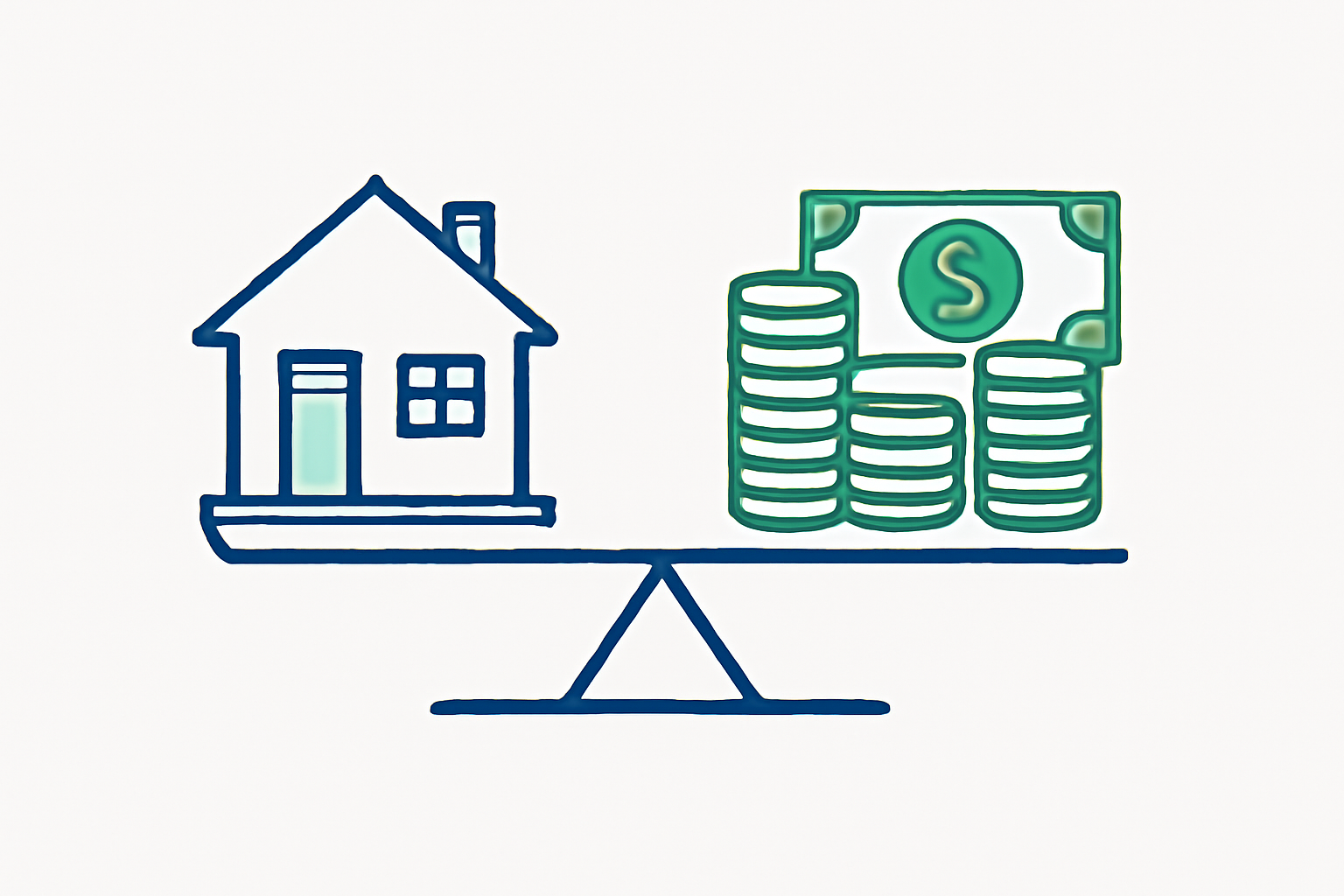
DSCR loans have become a game-changer for real estate investors looking to build their rental portfolios. DSCR stands for Debt Service Coverage Ratio, which measures a property’s ability to cover its debt payments using its rental income.
Unlike conventional mortgages that scrutinize your personal income, employment history, and debt-to-income ratio, DSCR loans focus primarily on the property’s income potential. This makes them particularly attractive if you’re investing in turnkey real estate or considering out of state investment properties where traditional financing might be harder to secure.
The fundamental formula for DSCR is simple:
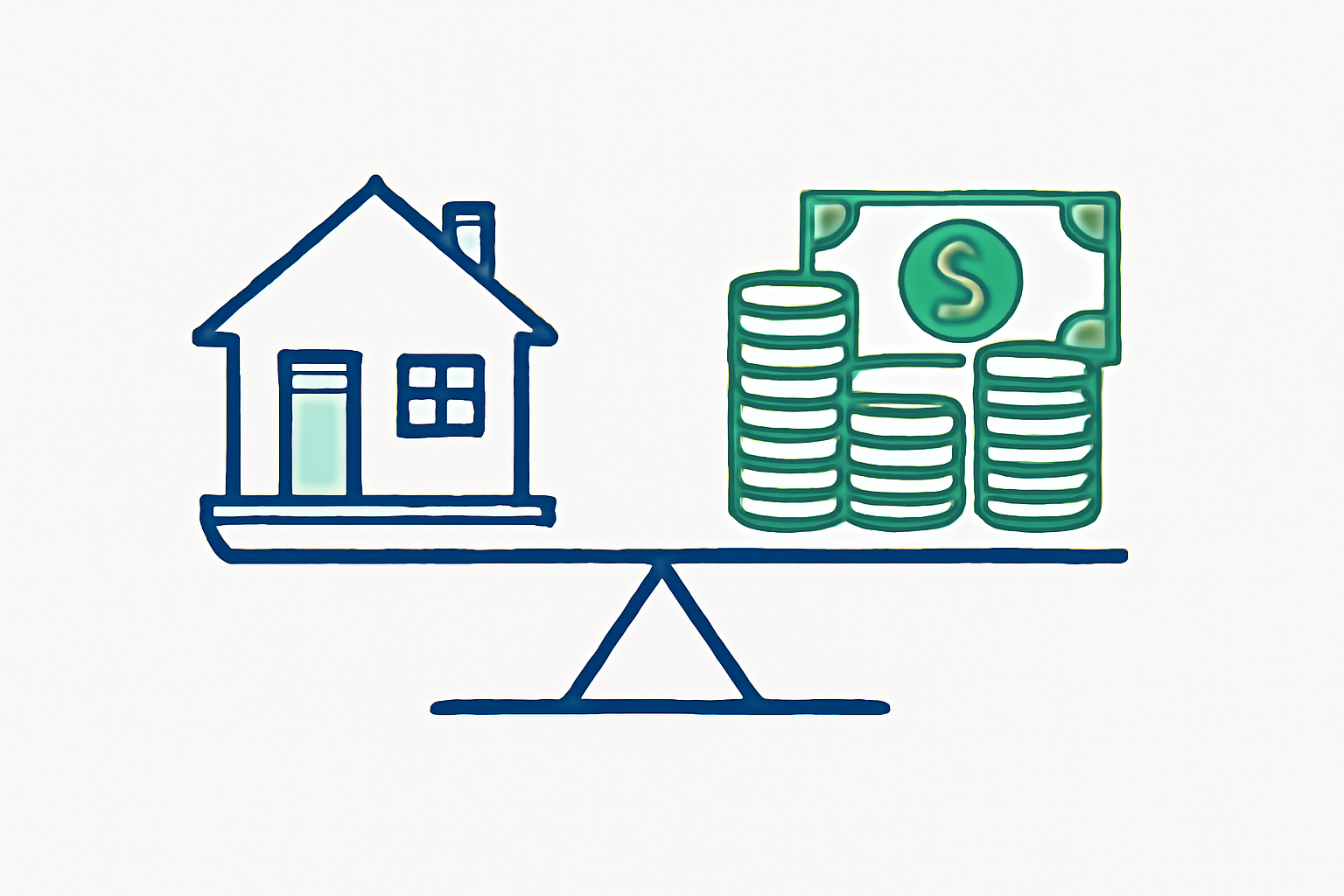
DSCR = Property’s Net Operating Income ÷ Annual Debt Obligation
This ratio determines whether a property generates enough cash flow to pay its mortgage and associated expenses.
Lenders use this calculation to assess risk without needing to dive into your personal finances.
How DSCR Ratios Are Calculated and What They Mean for Approval
A DSCR of exactly 1.0 represents the breakeven point—the property’s income just covers its debt obligations with nothing left over. Most lenders consider this too risky and typically require a minimum DSCR of 1.25, meaning the property generates 25% more income than needed for debt payments.
Here’s what different DSCR values mean:
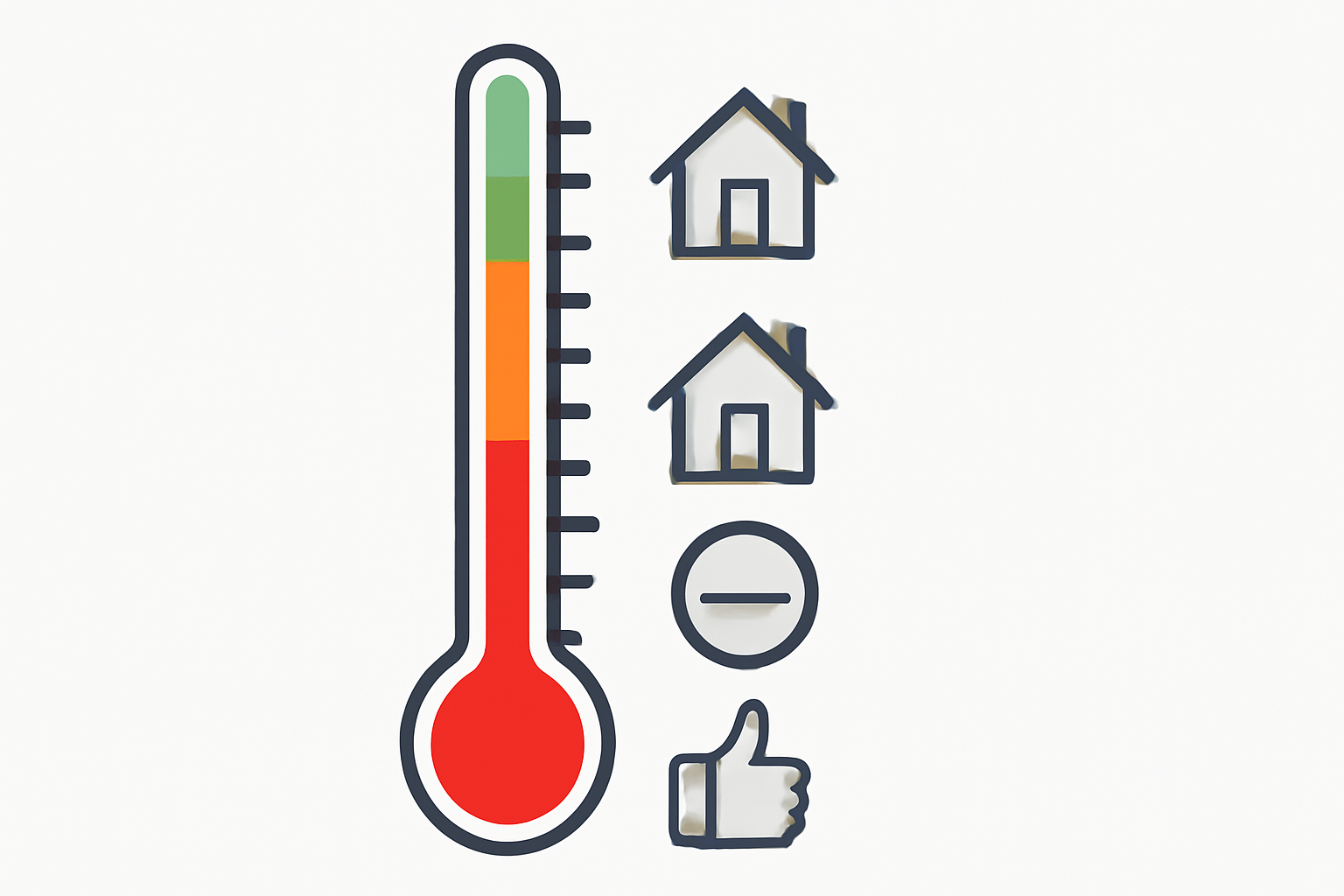
– Below 1.0: Property doesn’t generate enough income to cover debt (unlikely to be approved) – 1.0: Property breaks even (high-risk loan) – 1.25-1.5: Good cash flow margin (commonly required minimum) – Above 1.5: Excellent cash flow (may qualify for better rates)
To calculate the Net Operating Income (NOI), subtract all operating expenses from the gross rental income:
NOI = Annual Rental Income – Operating Expenses
Operating expenses include property taxes, insurance, management fees, maintenance costs, utilities, and vacancies—but not the mortgage payment itself.
Key Qualification Requirements for DSCR Loans
While DSCR loans bypass traditional income verification, they still have qualification requirements:
- Credit Score: Most lenders require scores between 620-660, though higher scores secure better terms
- Down Payment: Typically 20-25%, higher than primary residences but lower than some investment property loans
- Property Requirements: The property must be non-owner occupied and investment-purposed (single-family, multi-family, condos, etc.)
- Documentation: Much less paperwork than traditional loans—no tax returns, W-2s, or employment verification needed
- Property Analysis: Lenders focus on property’s rental income potential with market rent analysis
This streamlined process makes DSCR loans ideal for investors managing turnkey real estate portfolios or looking at out of state investment properties.
DSCR Loan Terms, Rates, and Costs Compared to Traditional Financing
DSCR loans offer flexibility but come with different terms than conventional mortgages:
- Interest Rates: Typically 1-2% higher than traditional mortgages
- Loan Terms: Usually 30-year amortization with fixed-rate periods of 5, 7, or 10 years
- Closing Costs: Often include additional underwriting fees and higher origination charges
- Prepayment Penalties: Many DSCR loans include penalties for early payoff, typically declining over 3-5 years
- No PMI: Despite lower down payments than some investment loans, private mortgage insurance isn’t required
The higher rates reflect the increased risk to lenders, but the simplified qualification process and focus on property performance rather than personal income make these loans extremely valuable for serious real estate investors.