
What are some of the best markets rounding out the year for investment properties?
Key Indicators for Identifying High-Potential Investment Markets
Demographic Shifts and Population Growth
As we round out the year, savvy real estate investors are keeping their eyes on markets with strong population growth trends. Cities experiencing an influx of new residents create natural demand pressure in housing markets, which directly translates to investment opportunities. When looking at potential locations for turnkey real estate investments, population growth should be your first checkpoint.
The pandemic accelerated migration patterns we're still seeing today. Many Americans continue leaving expensive coastal cities for more affordable secondary markets where their dollars stretch further.
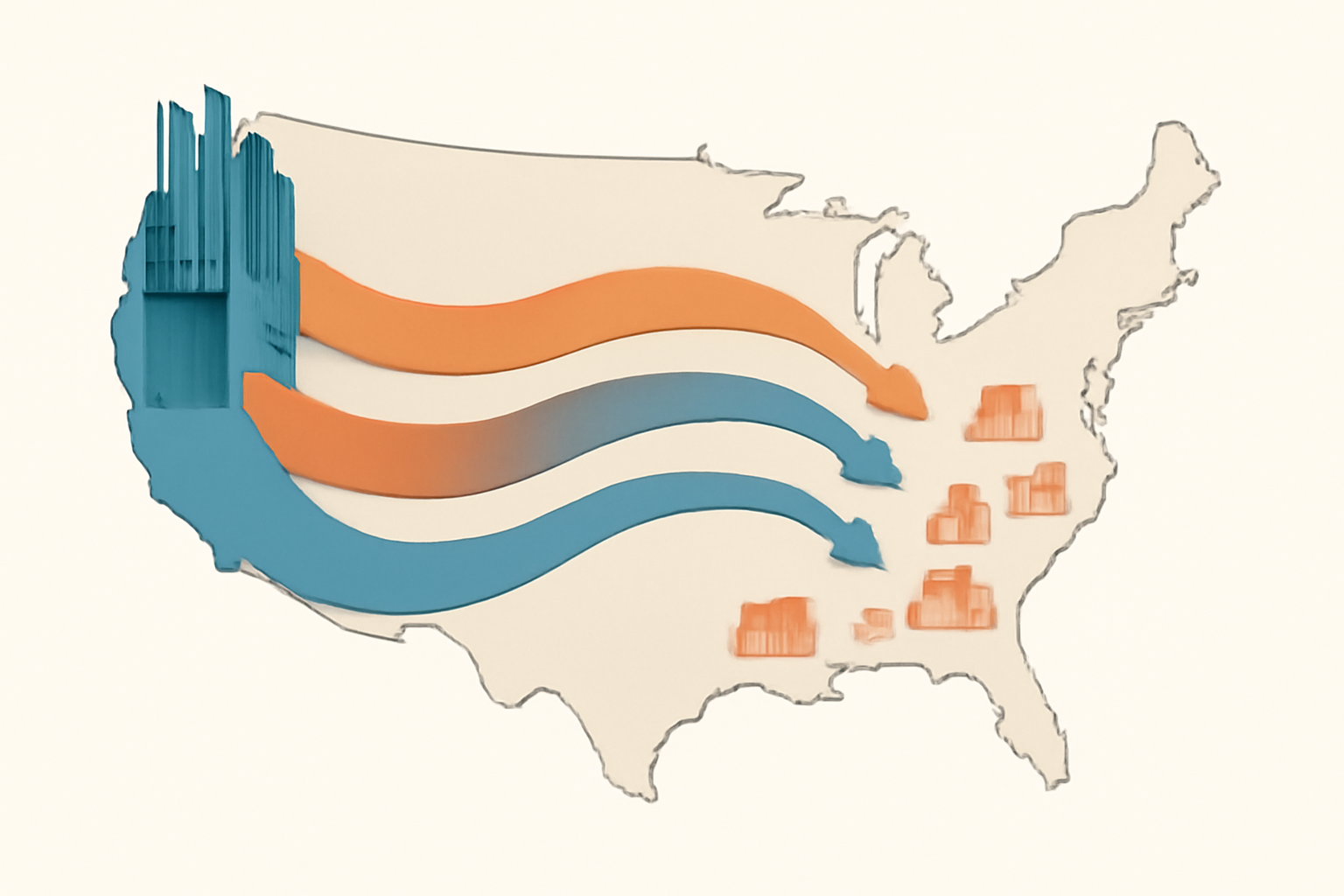 Charlotte, Nashville, and Phoenix have benefited significantly from this trend, with thousands of new residents seeking housing each month. This in-migration creates prime conditions for out of state investment properties that can deliver strong returns.
The composition of incoming residents matters just as much as the raw numbers. Markets attracting young professionals typically see robust rental demand, as this demographic often prefers flexibility before settling down. Meanwhile, areas drawing retirees—like parts of Florida, Arizona and the Carolinas—offer different but equally valuable investment potential with longer-term tenants seeking comfort and community.
For investors managing portfolios across multiple states, tracking these demographic shifts can be challenging. Platforms like Equity On Repeat specialize in analyzing population movement patterns to identify emerging opportunities before they become mainstream investment destinations. Their data-driven approach helps investors spot high-potential markets early, particularly valuable for those building out of state investment portfolios.
Economic Stability and Job Market Strength
A market's economic foundation directly impacts its viability for property investment. Areas with robust job growth create reliable tenant pools who can consistently pay competitive rents. Current standouts include Austin, Raleigh-Durham, and Salt Lake City, where strong hiring trends continue despite broader economic uncertainties.
Economic diversity provides crucial protection against downturns. Cities overly dependent on single industries (like Detroit was with automotive manufacturing) pose higher risk. Instead, look for markets with balanced economic drivers spanning technology, healthcare, education, manufacturing, and professional services. This diversity creates resilience that protects your turnkey real estate investments during economic fluctuations.
The presence of major employers signals long-term stability. Markets housing multiple Fortune 500 headquarters, growing tech hubs, or major healthcare systems offer stronger investment fundamentals. These institutional anchors generate high-quality jobs that attract precisely the type of residents who become excellent tenants or future buyers.
Tax-friendly states like Texas and Florida continue attracting both businesses and workers, creating virtuous cycles of growth. Companies relocate for favorable tax treatment, bringing high-earning employees who need housing—creating prime conditions for turnkey real estate investors seeking strong returns and operational simplicity.
Affordability and Rental Market Dynamics
Market affordability remains a critical factor when evaluating investment opportunities. Regions where home prices remain reasonable relative to local incomes offer better entry points for investors and greater renter demand. These markets—including Indianapolis, Columbus, and Memphis—provide attractive acquisition costs while maintaining strong rental yields.
The ideal investment market balances affordable purchase prices with strong rental rates.
 Current rental vacancy rates below 5% typically indicate robust demand that supports steady income streams. Markets with consistent rent growth of 3-5% annually offer the added benefit of improving cash flow over time.
Year-over-year rent appreciation data deserves close scrutiny when evaluating markets. While national headlines might suggest cooling rental markets, many secondary and tertiary cities continue seeing healthy increases. For out of state investment properties, this rent growth compounds returns significantly over multi-year holding periods.
Local landlord-tenant regulations dramatically impact investment performance. States with balanced or landlord-friendly laws provide more predictable operations and better protection against problematic tenants. Equity On Repeat helps investors navigate these regulatory environments, identifying markets where legal frameworks support rather than hinder investment success.
Recent analysis from Innago shows several markets hitting the sweet spot of affordability and strong rental demand. Similarly, Quicken Loans research identifies emerging markets where these favorable conditions are creating exceptional investment opportunities as we head into the new year.
Strategic Approaches for Investors in Current Markets
Leveraging Data for Informed Decisions
In today's real estate landscape, successful investors don't make decisions based on hunches. Thorough market research forms the backbone of profitable investment strategies, especially when considering out of state investment properties. Start by immersing yourself in local news sources, property listings, and understanding the financial landscape—including HOA fees and property tax structures—to get a comprehensive picture of potential markets.
Smart investors look beyond basic metrics, diving into critical indicators like median sale prices, historical and projected home value appreciation rates, average days on market, and year-over-year rent appreciation.
 These data points tell a more complete story about a market's health and potential return on investment.
"The difference between average and exceptional returns often comes down to the quality of data analysis," notes a comprehensive study from REI Hub that tracked investment outcomes across multiple markets.
For those serious about optimizing their portfolios, platforms like Equity On Repeat offer advanced analytics that evaluate market fundamentals, helping investors identify high-potential locations that align with their specific goals. These tools are particularly valuable for identifying emerging markets before they hit mainstream awareness.
Understanding a market's five to ten-year trajectory requires analyzing demographic trends, infrastructure developments, and economic forecasts—data points that often predict tomorrow's hotspots before property values reflect them.
Optimizing Investment Strategies for Diverse Markets
The level of investor involvement varies dramatically across different investment approaches. Turnkey real estate investments appeal to hands-off investors who want reliable returns without day-to-day management headaches. For these investors, building a reliable network of local property managers, contractors, and real estate agents becomes essential, especially when investing across state lines.
Savvy investors also capitalize on economic catalysts, such as new corporate headquarters, infrastructure projects, or educational expansions that often signal upcoming property value increases. As WealthArc's research highlights, these economic indicators often precede significant market growth.
Portfolio diversification remains a cornerstone strategy, with investors increasingly spreading capital across different property types—from single-family homes to small multifamily complexes—and across diverse geographic regions. Equity On Repeat's portfolio management tools help investors maintain visibility across these varied investments, streamlining operations and maximizing returns.
Considering Long-Term Value and Risk Management
Real estate investment isn't a get-rich-quick strategy but rather a long-term wealth-building vehicle that provides both portfolio stability and appreciation potential. The most successful investors focus on markets showing indicators of sustainable growth rather than chasing temporary spikes.
Modern risk management approaches emphasize geographic diversification to protect against regional downturns.
 By spreading investments across multiple markets and property types, investors create natural hedges against localized economic challenges.
For higher-net-worth investors, integrating real estate holdings with broader wealth management strategies creates synergies across their investment portfolio. These comprehensive approaches, supported by research from REI Hub, help investors optimize tax strategies while balancing cash flow needs with long-term appreciation goals.