
What Should Rental Investors Be Doing Before the End of the Year?
The clock is ticking on 2024, and smart rental property investors know this is crunch time. If you own rental properties, the next few weeks can make or break your financial success for the year ahead.
This guide is designed for current rental property investors who want to maximize their returns and set themselves up for a stronger 2025. Whether you manage one rental or dozens, these end-of-year moves can save you thousands in taxes and boost your cash flow.
We’ll walk you through the essential tax optimization strategies you need to implement before December 31st, show you how to evaluate your portfolio’s performance to make informed decisions, and help you plan strategic improvements that will increase your property values and rental income in the coming year.+ Add Section
Review and Optimize Your Tax Strategy

Maximize Depreciation Deductions Before Year-End
December 31st marks a crucial deadline for rental property owners looking to squeeze every possible tax benefit from their investments. Real estate depreciation works on an accelerated schedule, meaning you can often claim larger deductions in the first few years of ownership. If you purchased rental property this year, you’re eligible for bonus depreciation on certain improvements and personal property within your units.
Take a close look at appliances, flooring, and fixtures installed this year. Items like refrigerators, dishwashers, carpeting, and HVAC systems often qualify for 100% bonus depreciation, allowing you to write off their full cost immediately rather than spreading it over several years. Even if you missed claiming some depreciation in previous years, you can file Form 3115 to catch up on those missed deductions.
Consider Cost Segregation Studies for Larger Properties
Property owners with buildings worth $500,000 or more should seriously explore cost segregation studies. This specialized analysis breaks down your property into different asset categories, allowing you to depreciate certain components much faster than the standard 27.5-year residential schedule.
A qualified cost segregation specialist will identify items like specialized electrical systems, decorative lighting, landscaping, and certain structural elements that can be depreciated over 5, 7, or 15 years instead of nearly three decades. While these studies typically cost between $5,000 and $15,000, the tax savings often pay for themselves within the first year.
The key is acting before year-end if you want to capture maximum benefits on your current tax return. The study can be applied retroactively to properties you’ve owned for several years, potentially creating substantial refund opportunities.
Evaluate 1031 Exchange Opportunities for Property Swaps
Market conditions change rapidly, and what seemed like a solid investment two years ago might now be holding back your portfolio’s growth. 1031 exchanges allow you to sell underperforming properties and reinvest the proceeds into better opportunities without paying capital gains taxes immediately.
The timeline for these exchanges is strict: you have 45 days to identify replacement properties and 180 days to complete the purchase. If you’re considering selling a property in early 2024, start planning now to ensure you have viable replacement options lined up.
Look for properties in emerging markets, different asset classes, or locations with stronger rental demand. Some investors use 1031 exchanges to consolidate multiple smaller properties into one larger, easier-to-manage asset, while others do the opposite to diversify their geographic exposure.
Document All Deductible Expenses and Repairs
Tax season becomes infinitely easier when you’ve maintained detailed records throughout the year. Every receipt, invoice, and bank statement related to your rental properties should be organized and categorized before December 31st.
Create separate folders for each property and break expenses into clear categories: repairs and maintenance, professional services, insurance, utilities, and travel expenses for property visits. Don’t forget about smaller items that add up over time – cleaning supplies, light bulbs, and minor hardware purchases are all deductible.
Pay special attention to the distinction between repairs (immediately deductible) and improvements (must be depreciated over time). Fixing a leaky faucet counts as a repair, while installing a new bathroom counts as an improvement. When in doubt, consult with your tax professional to ensure proper classification.
Vehicle expenses for property-related travel can generate significant deductions, whether you use the standard mileage rate or track actual expenses. Keep a detailed log of all trips to your properties, including dates, destinations, and business purposes.+ Add Section
Assess Your Property Portfolio Performance

Calculate actual vs projected cash flow for each property
Year-end provides the perfect opportunity to pull out your original investment projections and see how reality measured up. Start by gathering your actual rental income, vacancy periods, maintenance costs, property management fees, and all other expenses for each property in your portfolio. Compare these numbers against what you initially forecasted when you purchased each property.
Create a simple spreadsheet with columns for projected versus actual figures. Include monthly rental income, annual vacancy rates, maintenance and repair costs, property taxes, insurance premiums, and any unexpected expenses that popped up. The gaps between your projections and reality tell an important story about your investment strategy and market understanding.
Pay special attention to properties where actual performance significantly differs from projections. A property generating 15% less cash flow than expected might indicate rent pricing issues, higher-than-anticipated maintenance needs, or changing neighborhood dynamics. Conversely, properties exceeding expectations might reveal opportunities to raise rents or invest in similar areas.
Identify underperforming properties requiring attention
Once you’ve crunched the numbers, certain properties will clearly stand out as problematic. These underperformers typically fall into several categories: properties with excessive vacancy rates, those requiring constant repairs, or units generating significantly lower returns than your portfolio average.
Properties with vacancy rates exceeding 10-15% annually demand immediate attention. High turnover often signals rental pricing mismatches, property condition issues, or poor tenant screening processes. Sometimes the solution involves minor improvements like fresh paint or updated fixtures, while other situations might require more substantial renovations or rent adjustments.
Maintenance-heavy properties drain both cash flow and your time. If one property consistently demands repairs while others in your portfolio run smoothly, investigate whether you’re dealing with an aging building, poor initial renovations, or systemic issues like plumbing or electrical problems. Sometimes selling these properties and reinvesting elsewhere makes more financial sense than continuing to patch problems.
Create an action plan for each underperforming property. Set specific timelines for improvements, rent adjustments, or disposal decisions. Properties that can’t be fixed within six months should be seriously considered for sale.
Analyze market appreciation trends in your investment areas
Real estate markets move in cycles, and year-end data provides valuable insights into where each of your investment areas stands. Research recent comparable sales, median home price changes, and rental rate trends in each neighborhood where you own property. Local real estate websites, county records, and rental platforms offer this data for free.
Look beyond simple price appreciation to understand what’s driving market changes. New employers moving into an area, infrastructure improvements, school district changes, or zoning modifications all impact long-term property values. Areas experiencing gentrification might see rapid appreciation, but they also face potential policy changes that could affect rental regulations.
Compare your local markets against broader regional and national trends. Markets outperforming national averages might indicate overheating, while underperforming areas could represent buying opportunities or signal declining fundamentals. Document these trends because they’ll guide your expansion decisions and help you time potential property sales.
Consider creating a simple scoring system for each market based on factors like job growth, population trends, new construction levels, and rental demand. This systematic approach helps you identify which areas deserve additional investment and which markets you might want to exit.+ Add Section
Plan Strategic Property Improvements
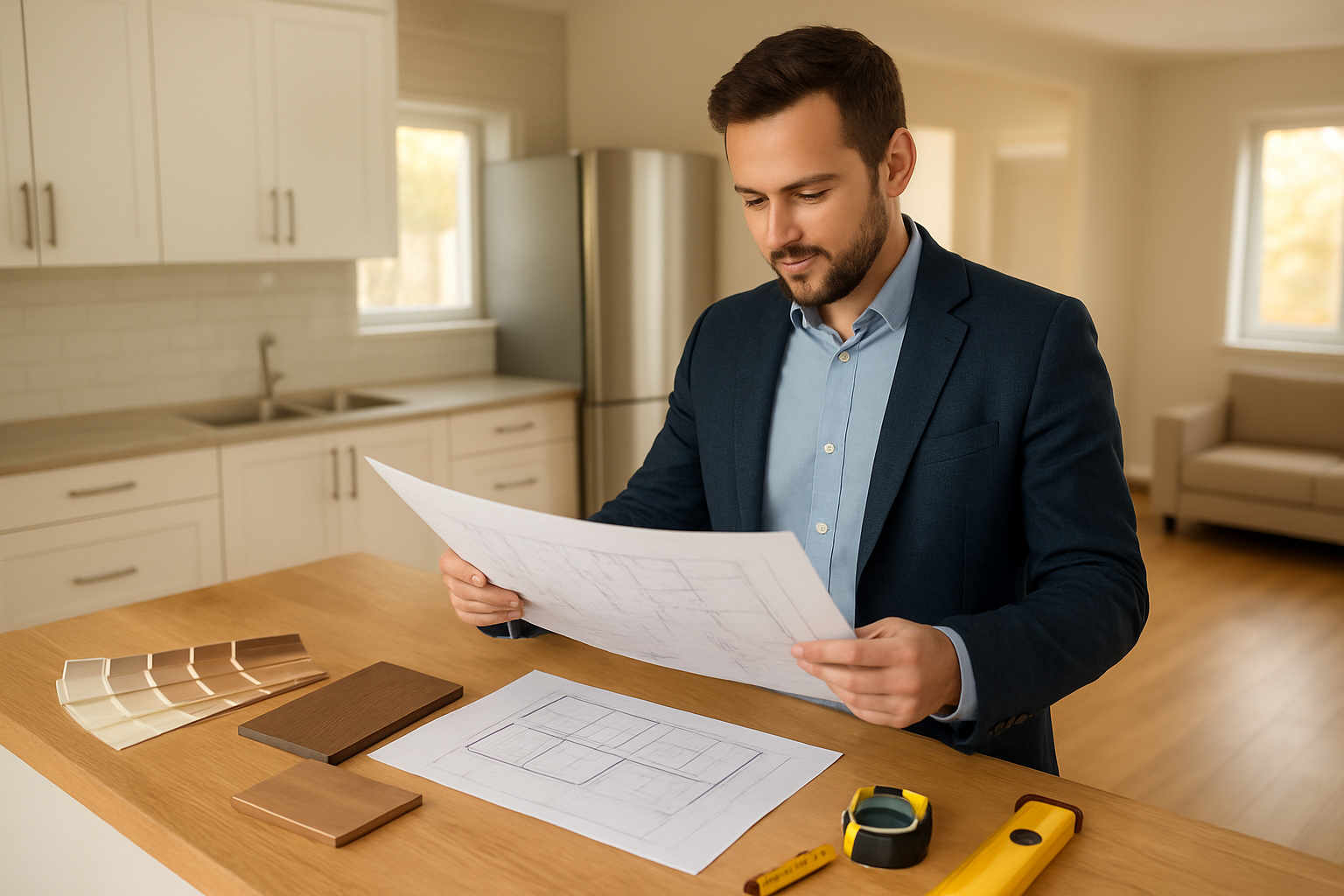
Schedule maintenance projects to boost property value
The fourth quarter presents the perfect window for tackling maintenance projects that can significantly increase your property’s market value. Focus on high-impact improvements that tenants notice immediately, such as fresh paint in common areas, updated lighting fixtures, and modernized bathroom fixtures. These projects typically offer the best return on investment while requiring minimal disruption to current tenants.
Exterior improvements deserve special attention before winter weather arrives. Power washing building facades, repairing walkway cracks, and refreshing landscaping create strong first impressions for prospective tenants. Consider upgrading entry doors and installing new hardware – these relatively inexpensive changes can dramatically improve curb appeal and justify higher rental rates.
Kitchen and bathroom updates provide exceptional value boosts. Simple upgrades like new cabinet hardware, modern faucets, and updated countertops can transform dated spaces without breaking the budget. Focus on neutral, timeless designs that appeal to the broadest tenant demographic.
Complete energy-efficient upgrades for tax credits
Smart investors maximize available tax incentives by completing qualifying energy-efficient improvements before December 31st. The federal government offers substantial credits for upgrades like high-efficiency HVAC systems, improved insulation, and energy-efficient windows and doors.
LED lighting conversions represent one of the most cost-effective upgrades available. These improvements reduce utility costs, qualify for tax credits, and require minimal installation time. Smart thermostats and programmable systems also qualify while providing ongoing operational savings that improve your property’s net operating income.
Solar installations and Energy Star appliances offer the largest tax credit opportunities. While these require bigger upfront investments, the combination of federal credits, potential state incentives, and long-term utility savings creates compelling financial returns. Document all improvements properly to ensure you capture every available credit.
Address tenant retention through targeted improvements
Tenant turnover costs typically range from one to three months of rent, making retention-focused improvements highly profitable investments. Survey your current tenants to identify their most desired upgrades – often simple additions like in-unit laundry connections, improved storage solutions, or enhanced security features top their lists.
Common area improvements create community value that tenants appreciate. Updated fitness facilities, improved internet infrastructure, and enhanced outdoor spaces encourage lease renewals. Package delivery systems and keyless entry options address modern tenant expectations while reducing management headaches.
Address maintenance requests promptly and consider upgrading rather than simply repairing. When tenants see you investing in property improvements, they’re more likely to view your building as their long-term home rather than a temporary stop.
Budget for upcoming capital expenditures
Successful rental investors maintain detailed capital expenditure schedules that prevent surprise expenses from derailing cash flow. Review your properties’ major systems – roofing, HVAC, plumbing, and electrical – to identify items approaching replacement timelines.
Create separate reserve accounts for each property’s anticipated capital needs. Roof replacements, HVAC system overhauls, and parking lot resurfacing require substantial cash outlays that benefit from advance planning. Consider spreading larger projects across multiple years to manage cash flow impacts.
Equipment financing options can help preserve working capital while completing necessary improvements. Many contractors offer seasonal discounts for winter bookings, allowing you to secure better pricing for spring and summer projects. Lock in contractors and pricing now for major 2024 projects while maintaining budget flexibility.+ Add Section
Strengthen Your Financial Position

Secure favorable refinancing terms before rate changes
Smart rental investors know that timing matters when it comes to refinancing. Interest rates can shift quickly, and the difference between securing a great rate and missing the opportunity can cost thousands of dollars over the life of a loan. Right now, many investors are finding opportunities to lock in better terms than what they originally secured.
Start by reviewing your current mortgage terms and comparing them to today’s market rates. Even a reduction of half a percentage point can translate to significant monthly savings across multiple properties. Contact multiple lenders to get quotes – don’t just stick with your current lender out of convenience. Credit unions, portfolio lenders, and specialized investment property lenders often offer competitive terms that big banks might not match.
Consider cash-out refinancing if you have substantial equity built up. This strategy allows you to pull cash from performing properties to fund new acquisitions or major improvements. Just make sure the numbers still work after the new loan terms are in place.
Pay attention to your debt-to-income ratio and credit score before applying. Clean up any outstanding issues that might hurt your chances of getting approved for the best rates. Sometimes waiting a month or two to improve these metrics can save you money for years to come.
Build cash reserves for future investment opportunities
Cash is king in real estate investing, especially when opportunities arise unexpectedly. Building substantial reserves gives you the flexibility to act quickly on great deals without scrambling for financing or missing out entirely.
Target keeping at least six months of expenses for each property in your portfolio. This covers mortgage payments, insurance, taxes, and basic maintenance if you hit a rough patch with vacancies or major repairs. Beyond that safety net, aim to accumulate additional funds specifically earmarked for new investments.
Ways to build your cash reserves:
- Accelerate rent collection: Offer small incentives for tenants who pay early or switch to automatic payments
- Reduce unnecessary expenses: Review all property-related costs and eliminate anything that doesn’t add value
- Reinvest profits strategically: Instead of lifestyle inflation, funnel rental profits back into your investment fund
- Explore short-term savings vehicles: High-yield savings accounts or short-term CDs can help your reserves grow while keeping funds accessible
Many successful investors use the “pay yourself first” approach – automatically transferring a fixed amount from rental income into reserves before covering other expenses. This forces disciplined saving and ensures you’re always building toward your next opportunity.
Review and optimize property insurance coverage
Insurance might not be the most exciting part of property investing, but getting it wrong can wipe out years of profits in a single event. Year-end is the perfect time to conduct a thorough review of all your policies and make sure you’re properly protected without overpaying.
Start with your liability coverage limits. As your portfolio grows and your net worth increases, you become a bigger target for lawsuits. Many investors find that umbrella policies provide additional liability protection at a relatively low cost. These policies kick in when your standard coverage limits are exceeded.
Review your property coverage amounts annually. Construction costs and property values change, and you want to make sure you can fully rebuild if disaster strikes. Underinsuring properties is a common mistake that can leave you financially exposed. Get updated replacement cost estimates and adjust your coverage accordingly.
Key areas to examine in your insurance review:
- Deductible amounts: Higher deductibles can significantly reduce premiums, but make sure you can afford to pay them
- Loss of rent coverage: This protects your income stream if properties become uninhabitable
- Flood insurance: Required in some areas and advisable in others, especially with changing weather patterns
- Personal property coverage: For furnished rentals or properties with appliances you own
Shop around with different carriers annually. Insurance companies adjust their rates and appetites for different types of risks regularly. What was competitive last year might not be this year, and you could be missing out on better rates elsewhere.+ Add Section
Evaluate Market Expansion Opportunities

Research emerging rental markets for next year
Smart investors keep their eyes on tomorrow’s hot spots, not yesterday’s headlines. Start by examining markets showing strong job growth, population increases, and infrastructure development. Cities like Austin, Nashville, and Raleigh have demonstrated consistent rental demand driven by tech company relocations and university expansions.
Look beyond the obvious choices. Secondary markets often offer better cash flow potential with lower entry costs. Consider factors like median home prices, rent-to-price ratios, and vacancy rates. A market with 3% vacancy rates and strong employment diversity typically signals healthy rental demand.
Pay attention to policy changes that could impact rental markets. Cities implementing rent control might seem risky, but neighboring areas often benefit from increased investor interest. Similarly, areas with new transit projects or major employer announcements present early-bird opportunities.
Analyze financing options for additional acquisitions
Your financing strategy can make or break expansion plans. Interest rates remain elevated compared to recent years, making deal analysis more critical than ever. Explore portfolio lenders who understand rental property cash flows better than traditional banks.
Consider these financing approaches:
- DSCR loans – Perfect for investors with multiple properties who want to avoid income documentation hassles
- Hard money for flips – Short-term financing for value-add opportunities before refinancing
- Seller financing – Particularly attractive in markets with motivated sellers
- 1031 exchanges – Defer capital gains while upgrading to better markets or property types
Private money lenders often move faster than banks, giving you competitive advantages in hot markets. Build relationships now rather than scrambling when the perfect deal appears.
Network with real estate professionals and potential partners
Your network determines your net worth in real estate investing. December brings numerous year-end events where you can connect with agents, property managers, contractors, and fellow investors.
Target these networking opportunities:
- Local real estate investment associations (REIA) – Monthly meetings with investors at all experience levels
- BiggerPockets meetups – Connect with online community members in person
- Property management company events – Build relationships with managers in target markets
- Real estate agent appreciation events – Meet agents who specialize in investment properties
Don’t overlook potential joint venture partners. Other investors might have capital but lack time, while you might have expertise but need funding. These partnerships can accelerate your expansion timeline significantly.
Set clear investment goals and acquisition criteria for the coming year
Vague goals produce mediocre results. Define exactly what success looks like for your portfolio expansion. Instead of “buy more properties,” set specific targets like “acquire three single-family rentals generating $500 monthly cash flow each in markets within 100 miles.”
Create your acquisition criteria checklist:
| Criteria | Target Range |
|---|---|
| Purchase Price | $150K – $300K |
| Cash Flow | $300+ monthly |
| Cap Rate | 6% minimum |
| Condition | Move-in ready or minor rehab |
| Location | Class B neighborhoods |
Document your risk tolerance clearly. Will you accept negative cash flow for appreciation potential? How much rehab work aligns with your skills and budget? These decisions made in advance prevent emotional purchasing mistakes.
Set timeline goals but remain flexible. Markets change quickly, and the best opportunities rarely appear on schedule. Having clear criteria lets you recognize great deals when they surface unexpectedly.+ Add Section
Conclusion

The final months of the year present a golden opportunity for rental property investors to set themselves up for success. From maximizing tax benefits and analyzing your portfolio’s performance to planning smart improvements and bolstering your finances, these strategic moves can significantly impact your bottom line. Taking time now to evaluate potential market expansion opportunities also positions you to capitalize on new investments when the right deals emerge.
Don’t let another year slip by without taking action on these critical areas. Start with a thorough review of your tax strategy – those savings can add up quickly. Then dive into your property performance data and identify which improvements will give you the biggest bang for your buck. Your future self will thank you for the time invested today in strengthening your rental investment foundation.